Cashback Cycles: The Quiet Revolution in Player Retention Tactics for Remote Gambling Services
Casey Coleman · Aug 24, 2026
Cashback Cycles: The Quiet Revolution in Player Retention Tactics for Remote Gambling Services
Remote gambling operators have turned to cashback cycles as structured programs that return a percentage of player losses over defined periods, and these mechanisms now form core elements in retention strategies across digital platforms. Data from industry reports indicate that operators deploy tiered cashback rates ranging from 5% to 20% based on activity levels, with cycles resetting weekly or monthly to encourage continued participation.
Mechanics Behind Cashback Programs
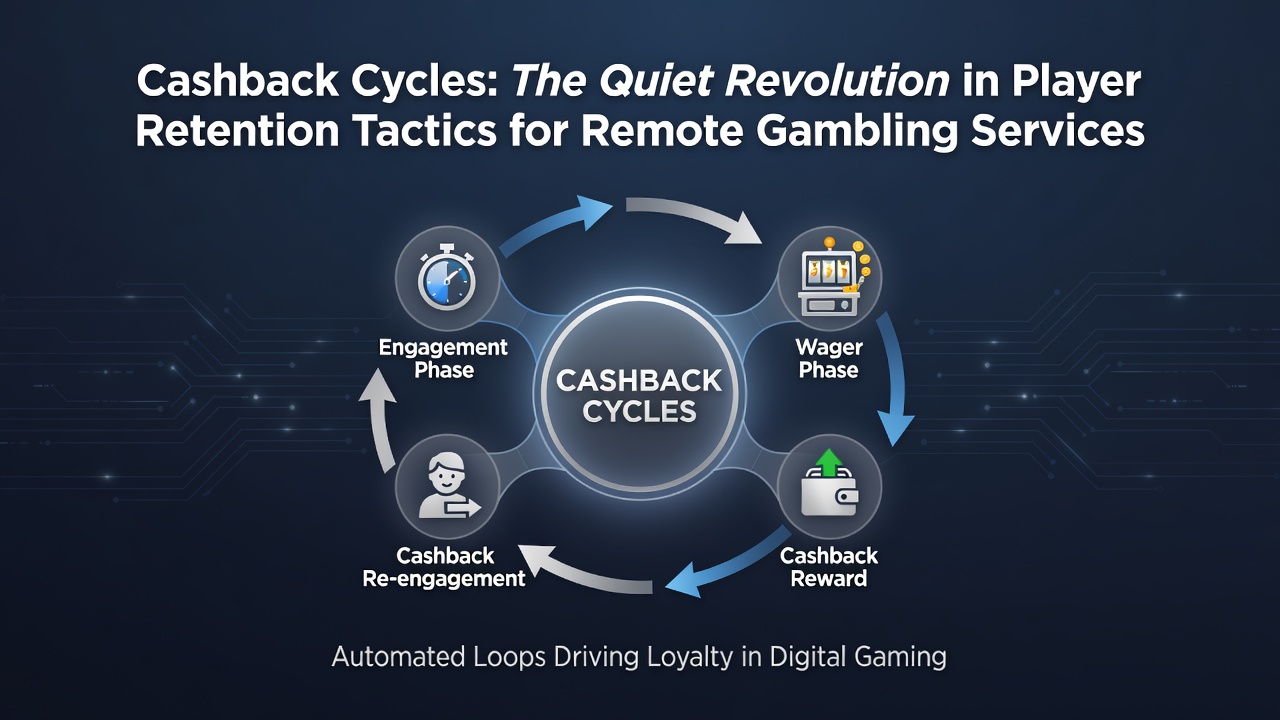
Operators calculate cashback through automated systems that track net losses within each cycle, then credit accounts with proportional returns once the period concludes. Players receive notifications detailing their eligible amounts, and funds often carry wagering requirements that align with regulatory standards set by bodies such as the International Association of Gaming Regulators. This structure creates predictable reward loops where participants monitor their spending patterns to maximize returns, and platforms integrate these cycles into loyalty dashboards for real-time visibility.
Studies from research institutions reveal that cashback cycles differ from one-time bonuses because they operate continuously, adapting to individual play volumes without fixed expiration dates. In August 2026, several major platforms adjusted cycle lengths to match seasonal betting peaks, aligning resets with major sporting calendars to sustain engagement during high-activity windows.
Player Behavior Patterns and Retention Data
Analytics platforms report that users enrolled in cashback programs demonstrate longer session durations compared to non-participants, with retention metrics showing increases of 15% to 25% over six-month periods. Those who study these trends note that cashback reduces churn by providing immediate value after loss streaks, and this effect compounds when operators layer cashback with other features like deposit matches or level-up rewards.
One case examined by university researchers tracked a cohort of remote casino users across multiple jurisdictions, finding that participants who received weekly cashback maintained accounts active for an average of 47 days longer than control groups. Figures from North American market analyses further indicate that cashback cycles contribute to higher lifetime value per player, as the recurring nature prompts regular logins to claim and utilize credits.

Implementation Across Global Markets
European operators have adopted cashback models that comply with varying national rules, while Australian platforms integrate similar cycles under guidelines from the Australian Communications and Media Authority. These programs often segment players by risk profiles, offering higher percentages to mid-tier users to stabilize activity without targeting high-volume segments exclusively. Observers note that mobile applications display cycle progress through progress bars and push alerts, streamlining the process so participants track eligibility without navigating complex menus.
Market data compiled through 2026 shows remote gambling services expanding cashback availability to sports betting verticals, where cycles apply to accumulated losses on wagers rather than table games alone. This expansion allows operators to bridge different product categories, creating unified retention pathways that keep users within single ecosystems across casino and sports offerings.
Technical and Compliance Considerations
Backend systems process cashback calculations using encrypted transaction logs to ensure accuracy and auditability, while compliance teams verify that returned funds meet responsible gambling thresholds established by regional authorities. Platforms incorporate spending limit tools directly into cashback interfaces, enabling users to set personal boundaries that interact with cycle mechanics. Researchers at academic centers have documented how these integrations reduce instances of extended play sessions, as visible cycle caps provide natural checkpoints for decision-making.
Industry associations track adoption rates, reporting that over 60% of leading remote operators now include some form of cashback cycle in their standard offerings by mid-2026. This widespread implementation stems from performance metrics that consistently link recurring cashback to improved player lifetime metrics, without requiring constant promotional reinvention.
Conclusion
Cashback cycles continue to evolve as operators refine algorithms to personalize rates and timing based on aggregated user data, maintaining focus on sustained retention rather than short-term acquisition spikes. The approach integrates seamlessly with broader loyalty frameworks, delivering measurable outcomes through consistent, automated value returns that align with player activity patterns across global remote gambling services.