Community Catalysts: How Referral Chains Reshape Loyalty Loops in Britain's Wagering Networks
Mia Griffin · Aug 17, 2026
Community Catalysts: How Referral Chains Reshape Loyalty Loops in Britain's Wagering Networks
Referral chains have taken hold across Britain's wagering networks as operators expand programs that reward existing users for bringing in new participants, and these structures create extended loops where loyalty builds through repeated social connections rather than isolated transactions alone. Data from industry tracking shows that such chains grew steadily through the first half of 2026, with activity accelerating further in August as sports calendars filled with cricket and football fixtures that drew larger participant pools.
Mechanics Behind the Chains
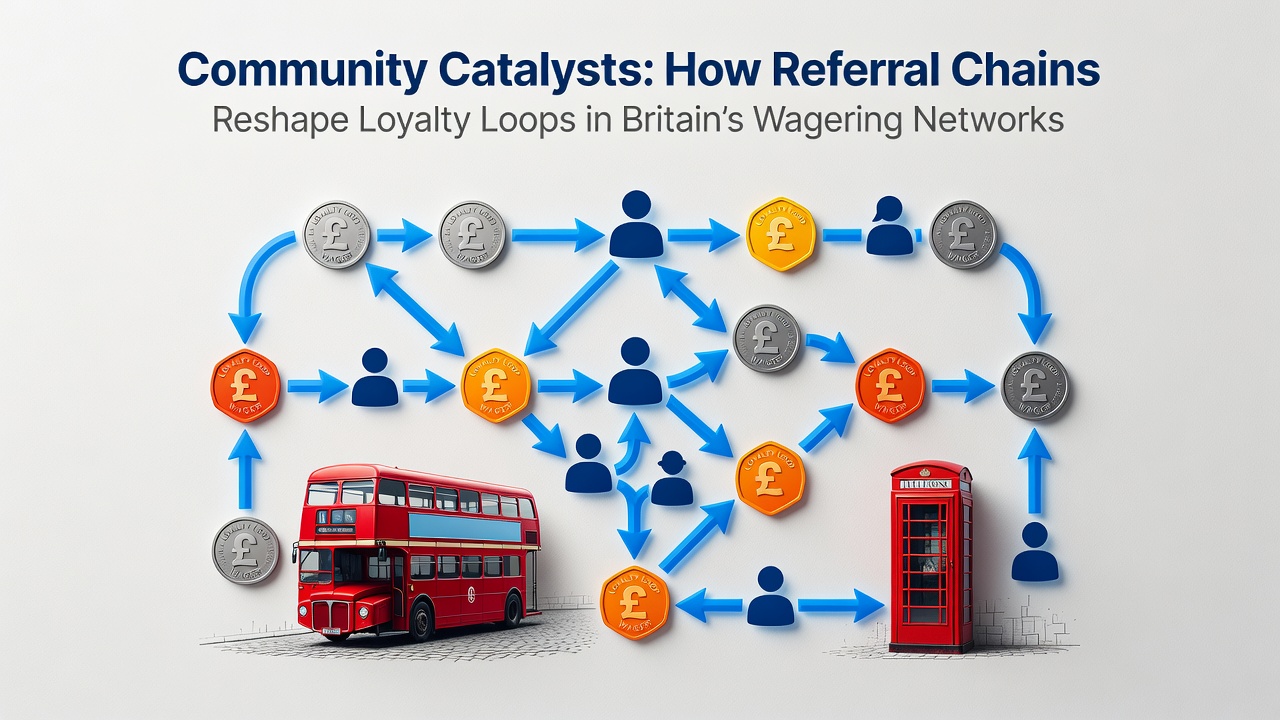
Operators structure referral offers so that both the referrer and the new user receive credits or free bets once the newcomer completes a set number of wagers, which encourages the initial contact to stay engaged while monitoring the progress of those they brought in. Observers note that this setup turns a single sign-up into a branching sequence because each new participant often receives their own referral code, and the process repeats when they share it within their circles. Research from the Australian Institute of Family Studies indicates similar multiplier effects appear in regulated markets where tiered rewards operate, and British platforms have adapted comparable mechanics to local regulations without direct oversight from the same bodies.
Participants frequently maintain activity across multiple accounts because the chain rewards continued top-ups and wagers that unlock deeper bonuses, yet the overall pattern shows users clustering around shared events such as live matches rather than spreading bets evenly throughout the month. Figures released in mid-2026 revealed that chains initiated during the Euros carried momentum into August, when domestic leagues resumed and created fresh opportunities for group participation.
Loyalty Loops Formed Through Networks
Loyalty loops tighten when referral activity links users into visible communities where progress toward bonuses becomes a shared metric, and platforms display leaderboards or group challenges that highlight collective achievements. Those who study network effects point out that retention rises because individuals return not only for personal rewards but also to support the chain they started, which keeps engagement higher than standard deposit-match offers achieve on their own. Evidence from Canadian research published by the Canadian Centre on Substance Use and Addiction supports the observation that social reinforcement sustains longer participation cycles in wagering environments that incorporate peer incentives.
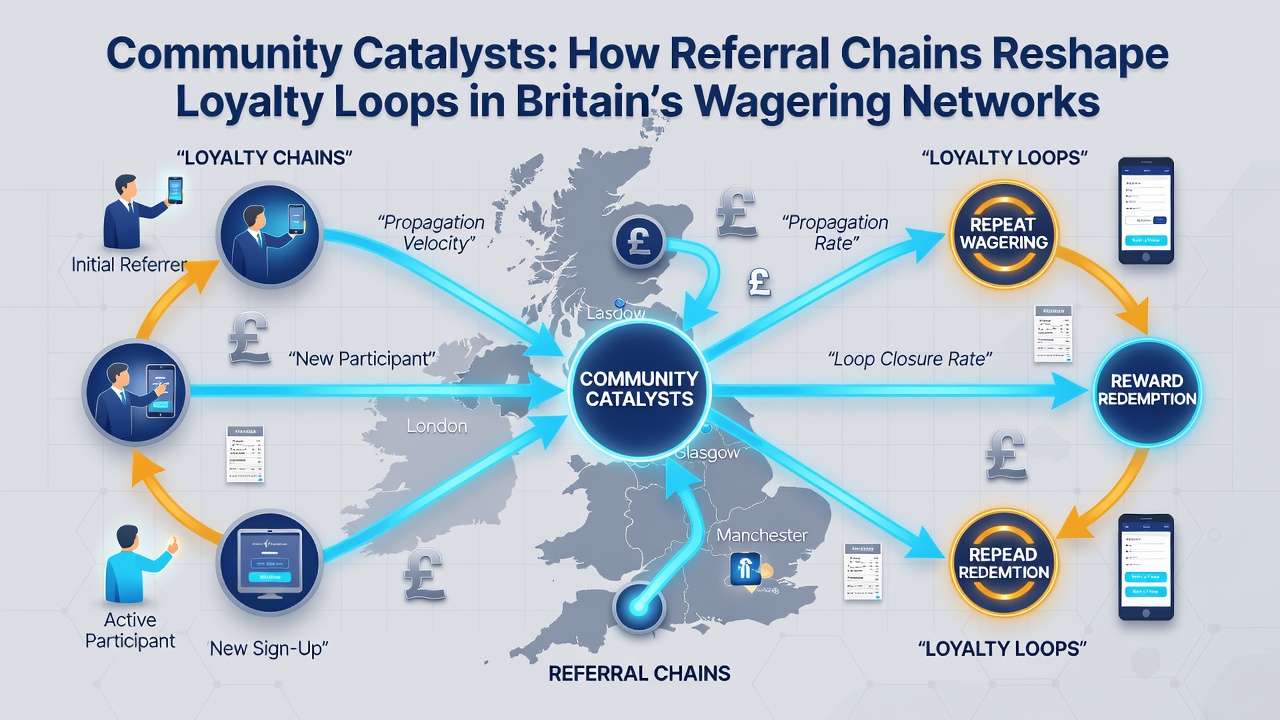
Operators track these loops through metrics that measure repeat visits from referred users, and August 2026 data showed elevated rates of second and third wagers within chains compared with standalone promotions. The structure also produces secondary effects where users exchange tips and strategies within the group, which further embeds the platform into daily routines without requiring additional marketing spend from the operator.
Patterns Observed Across Different Segments
Younger demographics participate more readily in longer chains because mobile interfaces make code sharing seamless during live events, whereas older segments tend toward shorter chains that close after one or two referrals. Patterns in spending data indicate that chain participants allocate portions of winnings back into the network to unlock subsequent tiers, which keeps funds circulating within the same operator's ecosystem for extended periods. Case examples from platform reports illustrate how a single active referrer in a workplace group can generate five to eight additional accounts within weeks when major fixtures align with payout schedules.
Regional differences appear as well, with urban areas showing denser chains due to higher population density and easier in-person verification of new users, while rural participants rely more on digital sharing that spreads across wider geographic distances. August 2026 figures highlighted spikes in chain length during international tournaments, where time-zone differences encouraged staggered participation and prolonged the active window for each link.
Conclusion
Referral chains continue to influence loyalty structures in Britain's wagering networks by converting individual actions into interconnected sequences that reward ongoing participation from multiple parties. Platform operators refine these systems based on observed chain lengths and completion rates, which allows them to adjust bonus thresholds without altering core product offerings. Data through August 2026 confirms that such networks maintain higher retention metrics than isolated promotions, and the pattern shows no immediate sign of slowing as new sporting cycles begin.