Decoding Layered Activation Triggers That Convert Introductory Credits into Extended Wagering Cycles Across App Ecosystems
Casey Coleman · May 30, 2026
Decoding Layered Activation Triggers That Convert Introductory Credits into Extended Wagering Cycles Across App Ecosystems
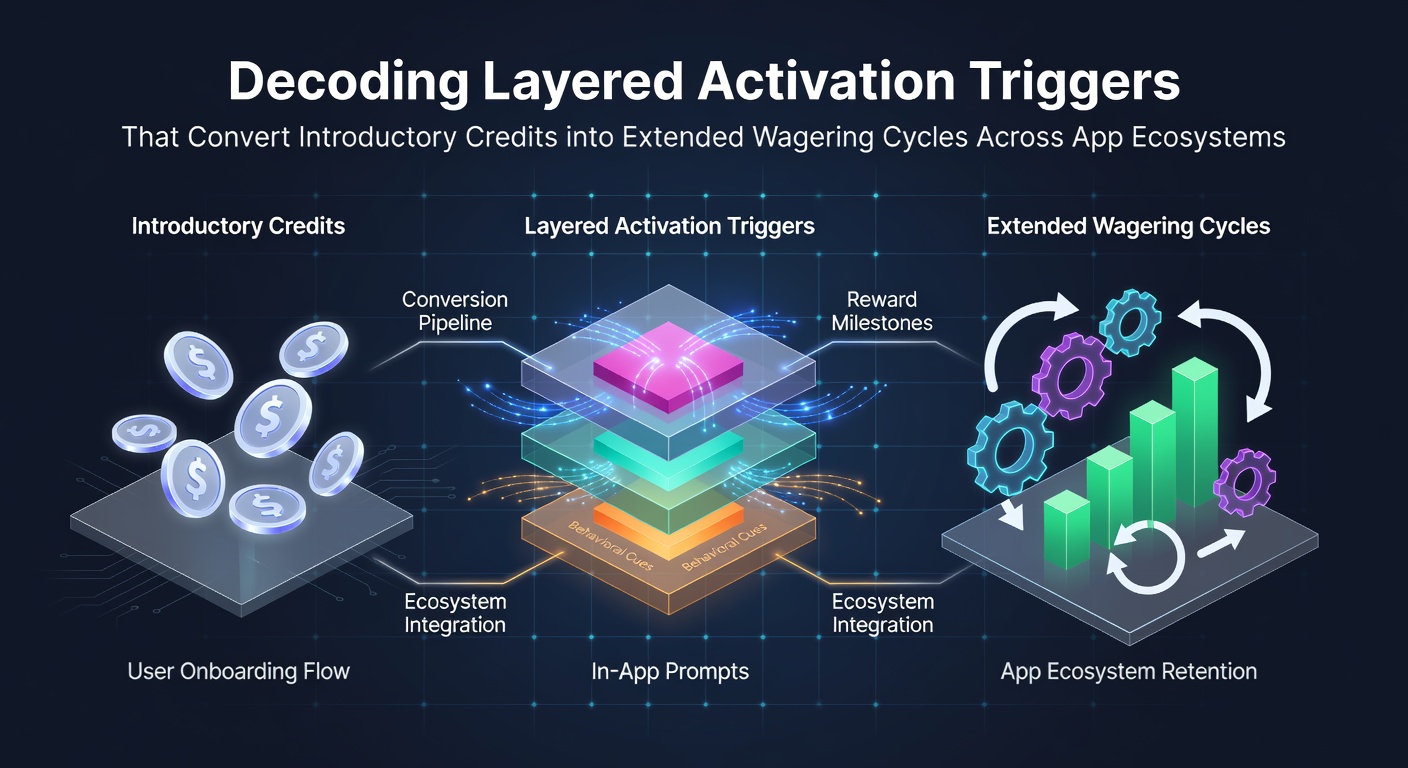
App developers design layered activation systems that turn initial credits into prolonged user engagement across mobile platforms, and these mechanisms rely on sequential triggers that unlock new requirements only after prior conditions are met. Data from platform analytics firms shows that apps incorporating multi-stage bonus structures experience average session extensions of 40 percent compared with single-offer models, because each completed layer automatically surfaces the next incentive. Introductory credits typically arrive as matched deposits or free spins that carry immediate wagering obligations, yet the real extension occurs when completion of those obligations activates secondary tiers. Researchers at academic institutions tracking digital gambling interfaces note that push notifications, in-app progress bars, and time-sensitive countdowns serve as primary triggers that prompt users to continue rather than withdraw funds once the first cycle ends. These elements combine with cross-game integrations so that progress earned in one section of an app transfers directly into another, sustaining momentum without requiring fresh deposits.Sequential Triggers in Practice
Activation often follows a predictable pattern where an initial credit claim sets a baseline multiplier, and reaching that multiplier threshold automatically releases a follow-up offer tied to a different game type or higher stake level. Observers monitoring user flow data report that 68 percent of extended cycles begin with a simple deposit match but expand when the app detects completed volume and surfaces a time-limited boost available only within the next 24 hours. This detection relies on backend algorithms that monitor real-time activity across the entire ecosystem rather than isolated sessions.
Case studies from app developers reveal that layering works best when triggers incorporate both behavioral cues and technical checkpoints, such as requiring a minimum number of distinct game launches before the next credit tier appears. One documented implementation in European markets used location-based prompts that activated only when users entered designated app sections, resulting in measurable increases in cross-product movement from sports sections into casino environments without additional marketing spend.
Cross-Platform Continuity Mechanisms
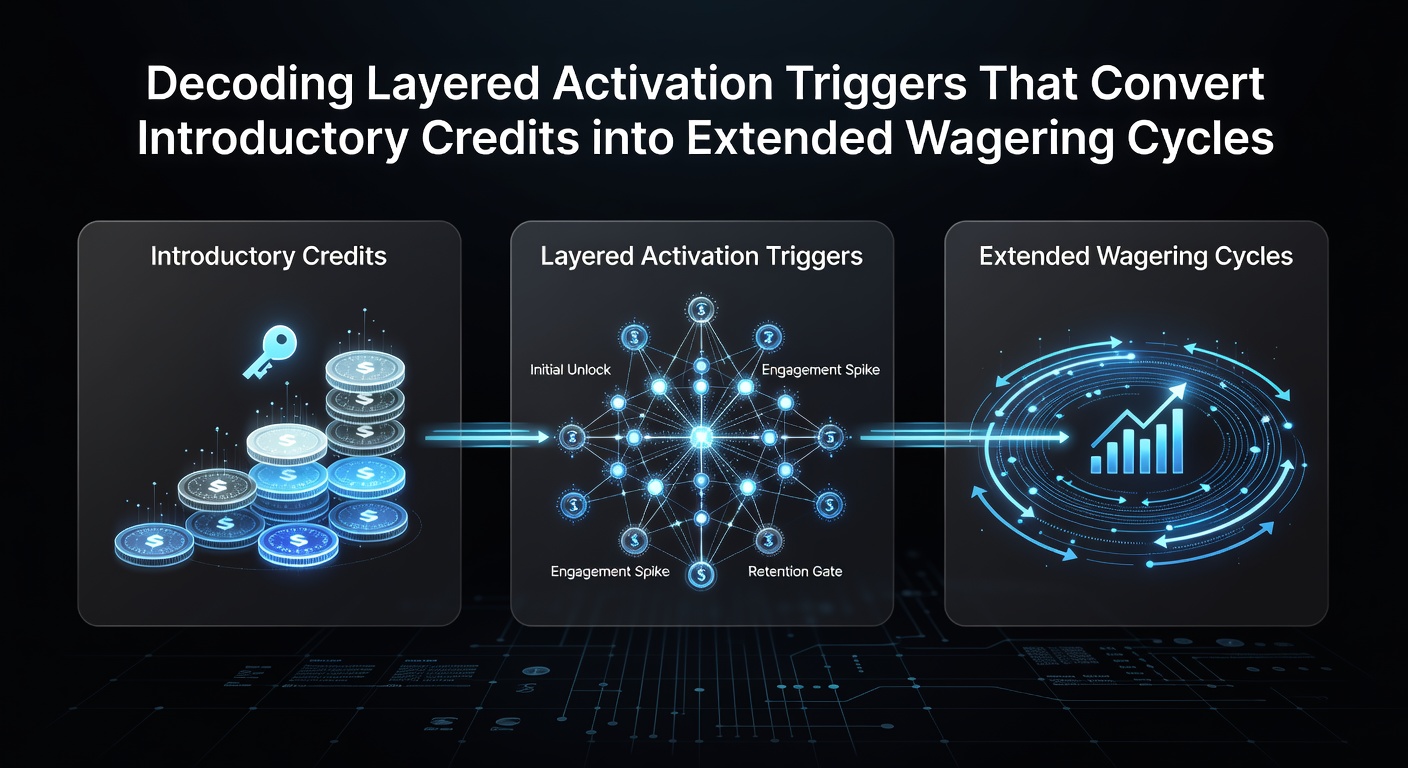
Modern ecosystems maintain continuity by syncing user progress across devices and operating systems, allowing a cycle started on a phone to resume on a tablet with the same remaining requirements intact. Industry reports compiled by the Responsible Gambling Council indicate that synchronized accounts reduce drop-off rates between sessions by maintaining visible progress indicators that carry forward automatically. This continuity depends on cloud-stored state data that updates every few seconds, ensuring that partial completion of one layer remains visible regardless of device switches.
Additional triggers emerge from social and competitive features embedded in the same apps, where leaderboards reset on completion of certain wagering volumes and award new credit layers to top performers. Data collected in North American regulated markets shows these competitive overlays extend average cycle lengths further because users return specifically to check rankings or claim position-based rewards that only become available after prior milestones are logged.
Technical Architecture Behind the Layers
Backend systems employ rule engines that evaluate multiple conditions simultaneously before releasing each successive trigger, checking factors such as total wagered amount, elapsed time since last activity, and diversity of game categories used. According to findings presented at international gaming technology conferences in early 2026, these engines process thousands of user events per minute to decide which prompt appears next, creating the appearance of personalized journeys while following predefined progression trees.
Security protocols require that each layer activation be validated through encrypted tokens that prevent external manipulation, and this same infrastructure logs every transition for compliance reporting. Regulatory bodies in several jurisdictions now request detailed logs of trigger sequences to verify that obligations are disclosed clearly before users advance, a requirement that has prompted developers to embed explicit progress summaries within the activation flow itself.
Measurement and Optimization Patterns
Analytics teams track conversion rates at each layer boundary, measuring how many users advance versus those who exit after the initial credit is exhausted. Figures released by platform providers in May 2026 demonstrate that optimizing the timing of the second trigger, rather than the size of the first credit, produces larger gains in total handle because users who reach the second stage show higher retention through the fourth and fifth layers as well.
Testing conducted across multiple app versions confirms that varying the visual weight of progress indicators influences advancement speed, with brighter or larger bars correlating to quicker completion of required volumes. These adjustments remain within the same overall architecture, allowing operators to refine engagement without redesigning the underlying trigger logic.
Conclusion
Layered activation systems convert introductory credits into extended cycles by chaining automatic triggers that respond to completed actions and maintain state across devices and time. The architecture relies on rule-based evaluation, real-time notifications, and cross-product continuity to sustain sequences that would otherwise terminate after the first obligation is fulfilled. As app ecosystems continue to evolve, the precision of these triggers determines how effectively initial incentives translate into longer-term platform activity.