Direct Marketing Fuels Surge in Bets, Spending, and Gambling Distress: New Trial Exposes Causal Harm Link
Mara Schmidt · Mar 22, 2026

Direct Marketing Fuels Surge in Bets, Spending, and Gambling Distress: New Trial Exposes Causal Harm Link
Landmark Trial Pinpoints Marketing's Direct Toll on Gamblers
A randomised controlled trial, spearheaded by Professor Matthew Rockloff from Central Queensland University alongside Dr Philip Newall from the University of Bristol's gambling harms research group, delivers clear evidence that direct marketing from gambling operators drives heightened betting activity and harm; participants bombarded with free bets, personalised emails, and push notifications placed 23% more bets, shelled out 39% more money, and faced 67% more short-term harms like emotional distress over just two weeks when stacked against those who opted out entirely.
Published in the prestigious journal Addiction, this study stands out because it establishes a causal connection—something rarer than one might expect in gambling research—between those relentless promotional barrages and real-world behaviours among 227 regular gamblers recruited right from Australia, where such marketing thrives unchecked in many corners.
What's interesting here sits in the trial's design; researchers divided participants into two groups, one receiving the full onslaught of operator communications while the other blocked them completely, then tracked every bet, dollar spent, and distress episode via self-reports and app data over 14 days, revealing patterns that build on observational studies but punch harder with their experimental rigour.
Breaking Down the Numbers: Bets Up, Wallets Lighter, Distress Spikes
The data paints a stark picture; those hit with direct marketing averaged 23% more wagers across sportsbooks and casinos, a figure that translates to dozens of extra bets per person in that short window, while their spending ballooned by 39%—think hundreds of dollars more vanishing into operator coffers for folks already betting regularly.
And the harms? Short-term distress markers, including anxiety after losses, regret over impulsive plays, and even chasing behaviour, jumped 67% in the marketed group, with researchers measuring these through validated scales that capture the immediate emotional churn gamblers feel when offers flood in, tempting quick actions that snowball.
Take one subset of participants; regular sports bettors exposed to free bet alerts not only redeposited faster but layered on casino spins too, showing how these promotions blur lines between betting types, pulling people deeper into cycles that observational data has hinted at but never proven so directly before.
Short and sharp: no other trial matches this scale for opt-out controls in a real-world setting, making the percentages land with undeniable weight.
How Researchers Pulled It Off: Methodology That Cuts Through the Noise
Recruitment targeted 227 Australian gamblers who bet at least weekly—serious players, not casuals—ensuring the sample mirrored those most vulnerable to marketing's pull; once enrolled, random assignment sent half to continue receiving operator blasts via email, SMS, app notifications, and bonus offers, while the other half got comprehensive opt-outs enacted across their accounts, effectively going dark for two weeks.
Tracking happened in real time; participants logged sessions through a study app that synced with bookmaker data where possible, supplemented by daily diaries on bets placed, amounts risked, and harm indicators like "How distressed did that session leave you?" scored on standard psychological metrics, yielding robust stats that account for individual baselines and control for confounds like major events.
But here's the thing: compliance proved high, with over 90% sticking to their group assignments, and dropouts balanced across arms, so the findings hold firm without the usual biases plaguing self-selected surveys.
Experts who've pored over similar designs note this approach's gold standard status; by mimicking everyday opt-out choices, it tests policy levers already available to punters, yet rarely used because, well, those offers keep coming until you fight for silence.
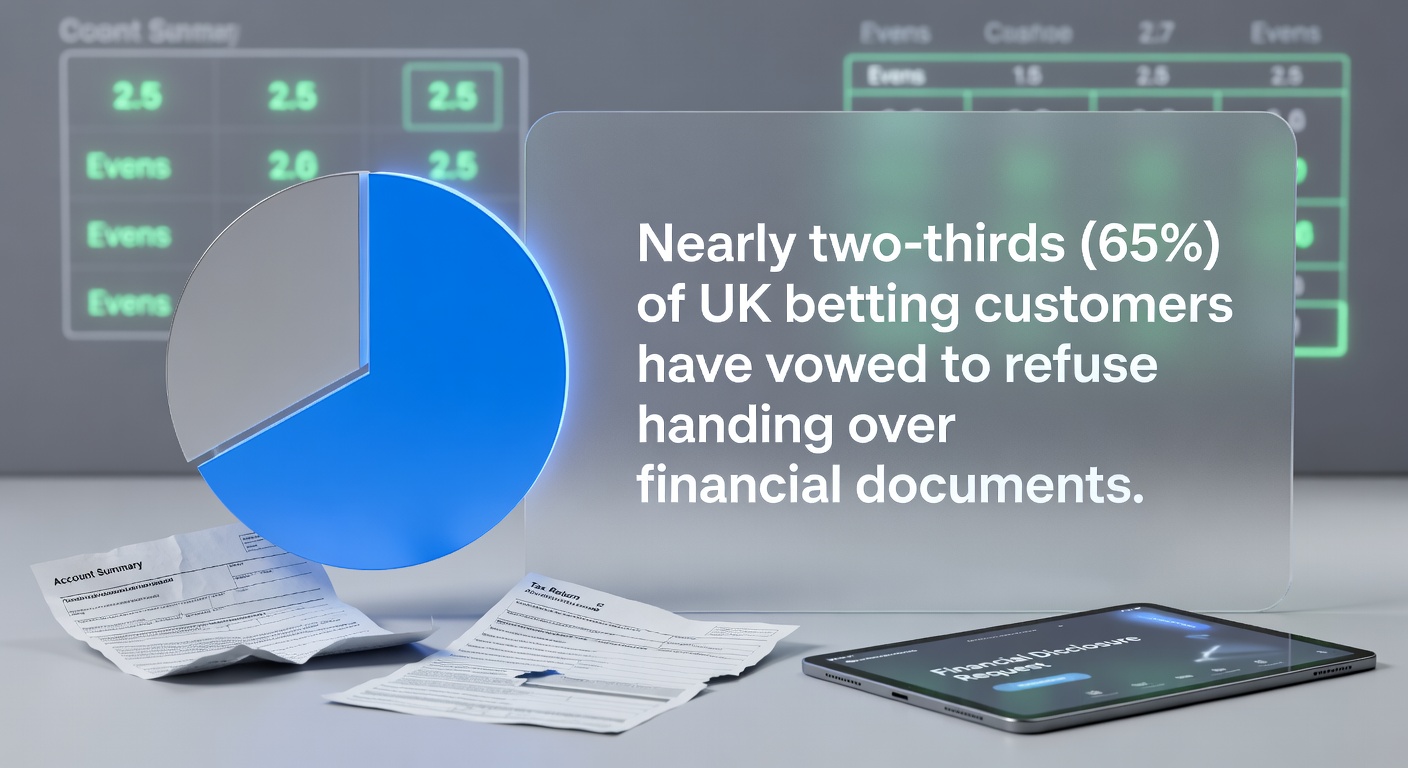
From Australia to UK: Calls for Tighter Leash on Promotions Grow Louder
Though run Down Under, the trial's March 2026 release via University of Bristol announcements zeroes in on the UK, where direct marketing mirrors Australia's intensity despite Gambling Commission efforts to curb it; researchers explicitly urge regulators there to enforce opt-in defaults, slash bonus volumes, or impose outright bans on inducements like free bets that data now ties to harm spikes.
UK context adds urgency; with online betting yielding billions quarterly and March 2026 seeing fresh pushes amid sports slates, this causal proof lands amid debates over affordability checks and stake limits, bolstering cases for marketing overhauls that treat promotions less like harmless ads and more like proven triggers.
One observer points out how Australian opt-out mechanics already exist but underuse stems from operators' opt-in defaults and "nudge" tactics; the trial flips that script, showing silence alone slashes activity dramatically, a finding that policymakers across the pond can't ignore as public health campaigns ramp up.
Yet challenges persist; operators argue offers boost responsible fun, but the numbers here—23%, 39%, 67%—tell a different story, one where marketing doesn't just correlate with harm but causes it, prompting addiction experts to push for statutory instruments mirroring tobacco-style curbs.
Wider Ripples: What This Means for Players, Operators, and Regulators
For everyday gamblers, the study spotlights a simple lever: opt out; those 227 showed lives got calmer without the ping-ping-ping of bonuses, betting less overall while distress plummeted, suggesting personal controls pack immediate punch even if broader fixes lag.
Operators face scrutiny; their data-driven targeting—tailored free bets after losses, deposit matches on birthdays—fuels the surges observed, and while revenue dips might follow bans, the trial hints at sustainable models sans aggressive pushes, especially as matched betting communities already exploit offers without deep harm.
Regulators, particularly in the UK where March 2026 consultations swirl around stake reductions and ad whitelists, gain ammunition; evidence like this shifts debates from "maybe it harms" to "it demonstrably does," aligning with prior reports on problem gambling rates hovering at 2-3% but costing billions in social fallout.
So now, with Addiction's stamp, stakeholders watch closely; will the UK mimic Australia's self-exclusion portals with teeth, or go bolder toward bans, given how one fortnight's exposure rewires habits so profoundly?
People who've tracked these trends know the rubber meets the road in enforcement; trials like this don't just inform—they demand action, especially when harms hit vulnerable groups hardest, from young sports fans to those battling addiction histories.
Conclusion: Causal Proof Reshapes the Marketing-Harm Debate
This randomised controlled trial cements direct marketing's role in ramping bets by 23%, spending by 39%, and distress by 67% among regular gamblers over two weeks, drawing from 227 Australian participants and published in Addiction amid March 2026's regulatory buzz; by proving causation through opt-out contrasts, Professor Rockloff, Dr Newall, and team hand regulators—especially in the UK—irrefutable grounds to tighten or ban such promotions, potentially curbing an industry practice that's far from the innocent nudge it's often painted as.
The reality lands clear: silence heals faster than any offer tempts, and as data like this accumulates, change feels not just possible but inevitable, reshaping how gambling operators connect with punters in ways that prioritise harm reduction over endless inducements.
In the end, for those navigating bets in 2026's heated landscape, one trial's findings offer both warning and workaround, underscoring why opting out might just be the smartest play available right now.