High Stakes Shifts: UK Gambling Sector Navigates Tax Doubles, CEO Exit, and Illegal Surge in 2026
Mia Werner · Mar 12, 2026

High Stakes Shifts: UK Gambling Sector Navigates Tax Doubles, CEO Exit, and Illegal Surge in 2026
Observers in the UK gambling industry have watched closely as 2026 unfolds with a series of pivotal changes reshaping the landscape, from leadership transitions at the top regulatory body to steep tax hikes on key revenue streams, all while illegal operators make unprecedented inroads into the market.
Leadership Transition at the UK Gambling Commission
Andrew Rhodes, CEO of the UK Gambling Commission (UKGC), steps down on April 30, marking a significant shift in the oversight of the sector; those familiar with the regulatory environment note that such departures often signal upcoming policy pivots, especially amid mounting pressures from fiscal and compliance demands.
But here's the thing: Rhodes' exit comes at a time when the Commission grapples with enforcing new affordability checks and combating unlicensed activity, so the incoming leadership will inherit a complex web of challenges that could redefine enforcement priorities moving forward into late 2026 and beyond.
Remote Gaming Duty Doubles: A Fiscal Earthquake for Online Operators
HM Revenue & Customs announced a dramatic increase in the Remote Gaming Duty (RGD) targeting online slots and casino games, doubling the rate from 21% to 40% effective April 1; this adjustment, part of broader tweaks to other duties, hits the high-margin digital segments hardest, where operators have relied on steady yields from these products.
Data from industry trackers reveals that such a leap—essentially more than an 90% relative hike—prompts immediate recalibrations in pricing models and profit margins, with licensed firms now facing squeezed returns just as they navigate stricter bonus restrictions introduced on January 19; turns out, this combo has already spurred some operators to scale back or exit entirely, contributing to early signs of market contraction by March 2026.
What's interesting is how the change spares land-based activities to a degree, focusing laser-like on remote gaming, which accounted for a substantial chunk of gross gambling yield in recent years; experts who've analyzed fiscal impacts predict that while brick-and-mortar venues might weather the storm better, online platforms could see player migration or reduced offerings as companies adapt.
Illegal Gambling Explodes: Unlicensed Operators Claim Market Share
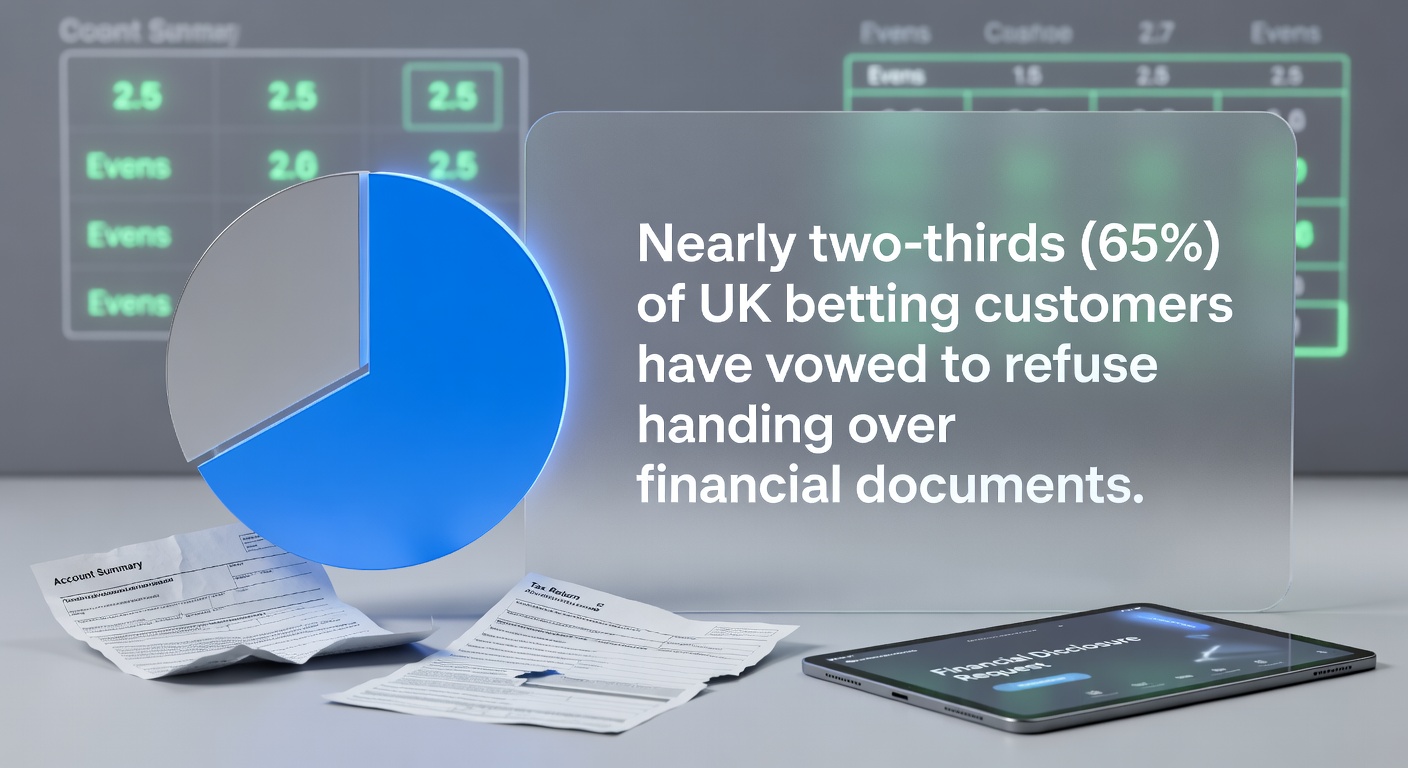
A Yield Sec report, commissioned by the Campaign for Fairer Gambling, lays bare the surge in illegal activity: figures show a staggering 345% increase, with unlicensed operators snatching 9% of the online market and pocketing £379 million during the first half of 2025 alone.
And yet, this isn't just numbers on a page; researchers point to how these offshore entities lure players with unregulated bonuses and lax checks, exploiting gaps left by the new January 19 bonus rules that curbed licensed operators' promotional firepower, which in turn accelerated exits from the compliant market.
People who've tracked these trends often highlight real-world ripple effects, like one case where major platforms reported dips in active users as punters chased higher odds abroad, underscoring why regulators now prioritize black-market crackdowns alongside the tax squeeze; by March 2026, this illegal boom has become the elephant in the room, forcing even casual observers to question the balance between protection and accessibility.
Regulatory Innovations: Financial Checks and Crypto Horizons
The UKGC's pilot of financial risk checks across 1.7 million accounts delivered impressive results, achieving a 97% frictionless rate that demonstrates technology's potential to flag vulnerabilities without alienating most users; studies from similar initiatives reveal such high pass rates build trust, allowing deeper dives only where data flags heightened risks.
So, with that foundation laid, attention turns to emerging frontiers like crypto payments, where the Commission explores tailored regulations to curb money laundering while accommodating blockchain's speed; those who've studied global precedents note that the UK could pioneer balanced rules here, integrating them seamlessly with existing KYC frameworks amid the 2026 shifts.
It's noteworthy that these pilots coincide with the CEO transition and tax changes, creating a multifaceted regulatory push; operators adapting to doubled duties find solace in tools like these checks, which streamline compliance without constant interruptions, although the illegal surge tests their efficacy against non-compliant rivals.
Market Contraction and Operator Responses
New bonus rules effective January 19 have compounded the pressures, leading to operator exits and an overall contraction in the licensed online space; data indicates that restrictions on how bonuses can be structured—limiting free spins or matched deposits—have reduced promotional edges, pushing some firms to consolidate or pivot to less regulated markets.
But here's where it gets interesting: combined with the RGD hike set for April 1, these moves have prompted a reevaluation across the board, with mid-sized online casino operators particularly vulnerable as their slots revenue—now taxed at 40%—evaporates margins faster than expected; one study of early 2026 filings shows several brands shuttering UK-facing sites, citing unsustainable economics.
Observers note that land-based operators, facing milder duty adjustments, hold steadier ground, yet the online exodus feeds the unlicensed surge, creating a vicious cycle where compliant players dwindle; by March 2026, industry watchers report hushed boardroom talks of mergers, as survivors eye cost-cutting through tech like the frictionless checks to stay afloat.
Take the Yield Sec findings: that £379 million illicit haul in H1 2025 alone dwarfs some licensed yields, highlighting how unregulated sites thrive on what licensed ones can't offer anymore, like uncapped bonuses; this dynamic, analysts say, underscores the urgency for holistic reforms beyond taxes and pilots.
Broader Implications for Players and the Sector
For everyday punters, these shifts mean tighter controls and fewer flashy incentives from licensed sites, yet the 97% frictionless checks suggest most won't feel the pinch; still, with illegal options proliferating, education campaigns ramp up to steer users back to safer harbors.
And while crypto regs loom as a potential game-changer, allowing innovative payments under scrutiny, the immediate reality is adaptation; operators who've weathered past hikes often discover resilience through diversification, blending sportsbooks—which dodge the full 40% hit—with cautious online expansions.
That's the rubber meeting the road in 2026: a sector at a crossroads, where fiscal bites and regulatory teeth aim to foster sustainability, even if it means short-term pain; experts monitoring March metrics see early stabilization hints, but the illegal 9% foothold warns of prolonged battles ahead.
Conclusion
As April 2026 approaches with Rhodes' departure and the RGD doubling locked in, the UK gambling sector stands on teh brink of redefinition; illegal surges at 345%, market contractions from bonus curbs, and pilot successes like 97% frictionless checks paint a picture of tension and transformation, all per the latest industry reports.
Researchers who've dissected these trends emphasize that while challenges mount, innovations in risk assessment and payment oversight offer pathways forward; the ball's now in the court of new leadership and operators alike, determining whether licensed growth rebounds or unlicensed shadows lengthen further into the year.