Hybrid Loyalty Pathways Transforming Remote Wagering in Britain
Mara Schmidt · Aug 26, 2026
Hybrid Loyalty Pathways Transforming Remote Wagering in Britain
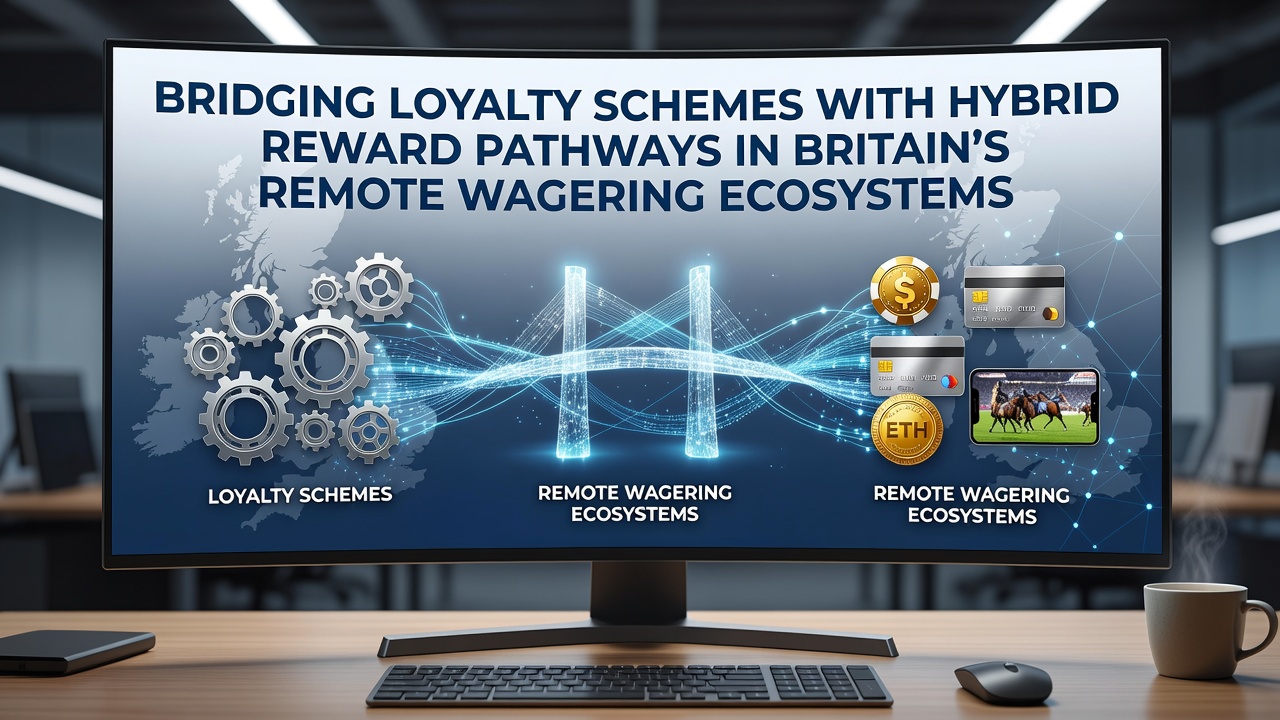
Britain's remote wagering sector continues to evolve with operators developing hybrid reward structures that connect traditional loyalty schemes to cross-platform pathways, and data from industry reports shows these systems gaining traction among users who engage across sports betting and casino environments simultaneously. As of August 2026 patterns indicate increased adoption of tiered programs where points earned from one activity convert directly into rewards usable in another, creating seamless transitions that keep participants within single ecosystems rather than switching between competing platforms.
Core Mechanics Behind Hybrid Reward Integration
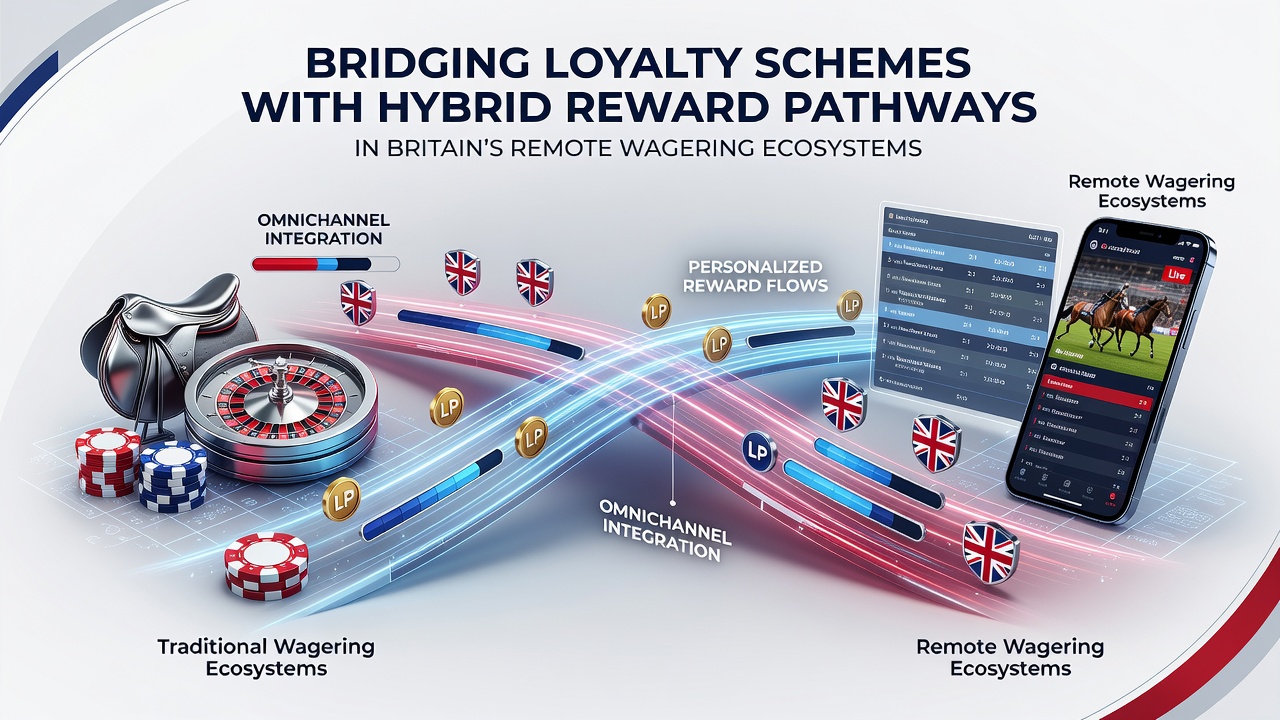
Operators implement these pathways through unified account systems where loyalty points accumulate from various betting activities and then flow into bonus structures that blend free bets with casino credits or cashback offers, and studies from academic institutions like those published by the University of Nevada Reno highlight how such conversions reduce user churn by maintaining engagement across product categories. Those who've examined the systems note that conversion rates often sit at fixed ratios, for instance three loyalty points equaling one casino spin credit, while multipliers apply during promotional windows tied to major sporting events.
What's interesting emerges when users reach higher tiers, because additional benefits unlock such as personalized multipliers or priority access to new game releases, and figures from European industry associations reveal that participants in these tiered programs demonstrate longer session durations compared to those using standard flat-rate loyalty setups. Data collected across multiple operators shows average monthly point accrual rising by 12 percent in the first half of 2026 as more users discover the flexibility of hybrid pathways.
Regional Data Patterns and Operator Responses
Across Britain remote wagering volumes reached notable levels by mid-2026 with loyalty integration playing a measurable role in retention strategies, and reports from organizations such as the Australian Gambling Research Centre draw parallels to similar hybrid models tested in other markets where cross-product rewards produced steadier revenue streams. Operators adjust these pathways based on user behavior analytics that track which activities generate the most transferable points, allowing fine-tuning of reward ratios without disrupting overall platform economics.
Take one case where a major platform introduced a bridge between virtual sports betting and live dealer tables, resulting in a documented shift where 28 percent of loyalty points moved into casino play within the first month of launch, and observers tracking these changes point to backend algorithms that automatically suggest optimal reward redemptions to keep momentum going. Yet implementation varies widely, with some providers limiting conversions to specific time frames while others allow perpetual rollover until users decide to redeem.
Technical Infrastructure Supporting Seamless Transitions
Backend systems rely on API connections that synchronize loyalty ledgers in real time across sportsbooks and casino modules, and this infrastructure permits instant reflection of earned points in user dashboards without requiring separate logins or manual transfers. Research conducted by Canadian academic groups has examined similar setups and found that reduced friction in reward movement correlates with higher overall platform stickiness, particularly among mobile users who switch between products during single sessions.
Security protocols include encrypted point ledgers and audit trails that record every conversion, which helps operators meet compliance standards while preventing duplicate claims or exploitation attempts, and industry bodies outside the UK such as the European Gaming and Betting Association have published guidelines recommending regular third-party audits of these hybrid mechanisms. Those implementing the systems often incorporate AI-driven personalization that adjusts available pathways based on individual betting histories, thereby tailoring offers to maximize perceived value without increasing operational costs proportionally.
User Behavior Shifts Observed in 2026
Participants increasingly treat loyalty points as a form of in-platform currency that moves fluidly between verticals, and this behavior has prompted operators to expand redemption options beyond traditional free bets into experiences like tournament entries or merchandise, though core data still centers on betting credit conversions. Reports indicate that users who engage with hybrid pathways complete more transactions per month on average, and this pattern holds steady through seasonal fluctuations including the summer sports calendar in August 2026.
Yet challenges persist around transparency, because not all conversion rules appear equally clear in app interfaces, leading some providers to add explanatory tooltips and simulation calculators that preview potential rewards before users commit points. External analysis from varied regulatory perspectives continues to monitor these developments for impacts on responsible gambling tools, with emphasis placed on clear disclosure of terms governing point expiration and transfer limits.
Conclusion
Hybrid reward pathways represent an ongoing development in Britain's remote wagering landscape where loyalty schemes connect previously separate product lines through structured conversion mechanics and tiered benefits, and available data from multiple sources shows measurable effects on user retention and activity distribution as of August 2026. Continued refinement of these systems depends on analytics feedback loops and infrastructure investments that maintain synchronization across platforms while adapting to shifting participant preferences.