Loyalty Tiers Shaping Long-Term User Commitment in Internet Wagering Services
Mara Schmidt · Aug 12, 2026
Loyalty Tiers Shaping Long-Term User Commitment in Internet Wagering Services
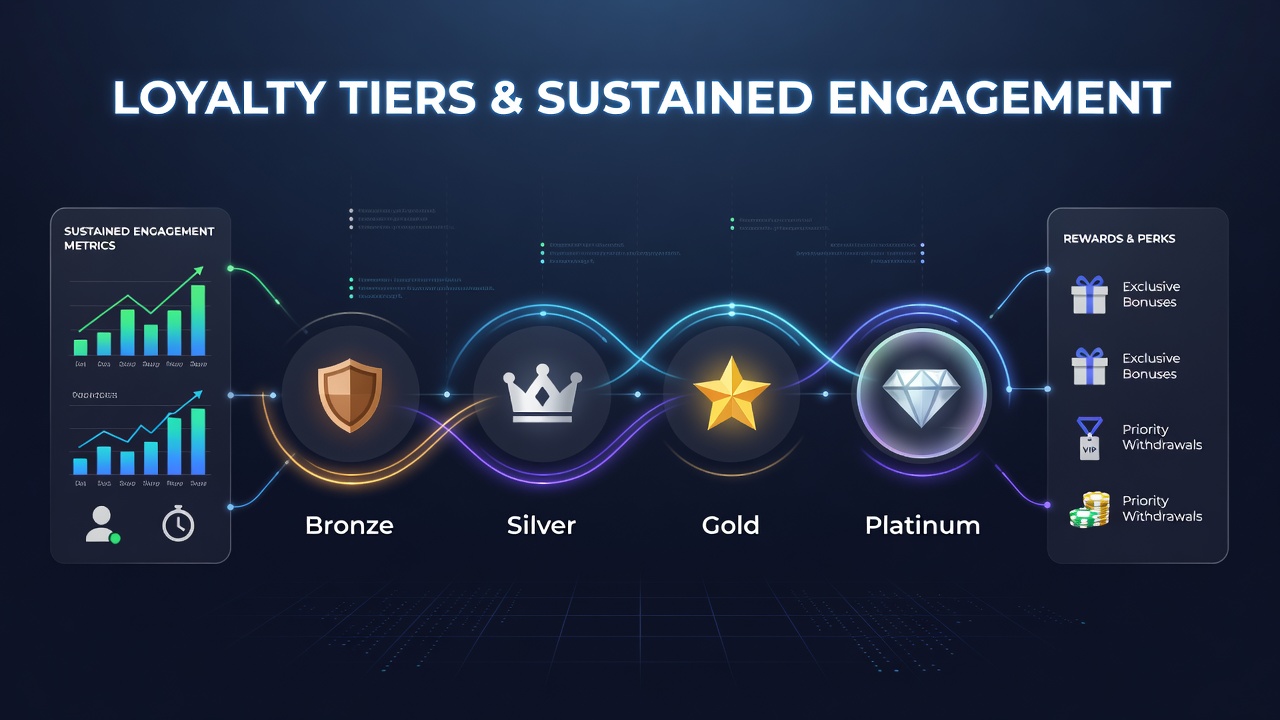
Loyalty tiers function as structured reward systems that assign players to progressive levels based on betting volume, frequency, and account activity, with each tier unlocking additional benefits such as bonus credits, cashback percentages, and priority support access. These programs operate through point accumulation mechanisms where wagers convert into loyalty points at set ratios, and reaching higher thresholds automatically elevates a user's status while maintaining engagement through escalating incentives.
Operators implement four or five distinct tiers in most cases, beginning with entry-level access that requires minimal deposits and advancing to elite categories that demand substantial cumulative play over defined periods like monthly or quarterly cycles. Data from industry analyses shows that players enrolled in tiered programs demonstrate extended session durations and higher repeat visit rates compared to those without structured rewards, because the visible progress toward the next level creates ongoing motivation to sustain activity levels.
Mechanics Behind Tier Progression and Point Systems
Points calculation typically multiplies base wager amounts by multipliers that increase with tier status, while special promotions during peak periods such as major sporting events add bonus points to accelerate advancement. In August 2026 several platforms adjusted their point expiry policies to align with seasonal calendars, allowing unused points from earlier months to roll over under specific conditions and thereby reducing player attrition during quieter betting windows. Researchers have documented that transparent rules for point earning and redemption correlate with stronger retention figures, since users who understand exactly how their activity translates into rewards tend to plan future wagers around upcoming tier milestones.
Redemption options expand at each successive level, moving from basic free spins or small deposit matches at lower tiers to personalized offers like event tickets, luxury experiences, and higher cashback rates that can reach double digits for top-tier members. This graduated structure encourages sustained participation because the perceived value of benefits grows in proportion to continued play, creating a feedback loop where increased activity yields proportionally greater returns.
Observed Effects on Player Retention Metrics
Studies conducted across multiple jurisdictions indicate that loyalty tier participants maintain accounts active for longer periods, with average lifetime values rising as users chase higher status benefits. Figures reveal that retention rates improve notably once players reach mid-tier levels, because the sunk cost of accumulated points and the anticipation of upcoming rewards discourage account dormancy or migration to competing sites. One analysis from the Australian Gambling Research Centre highlighted how tier-based cashback programs reduced churn among regular users by providing recurring value that offsets typical variance in betting outcomes.
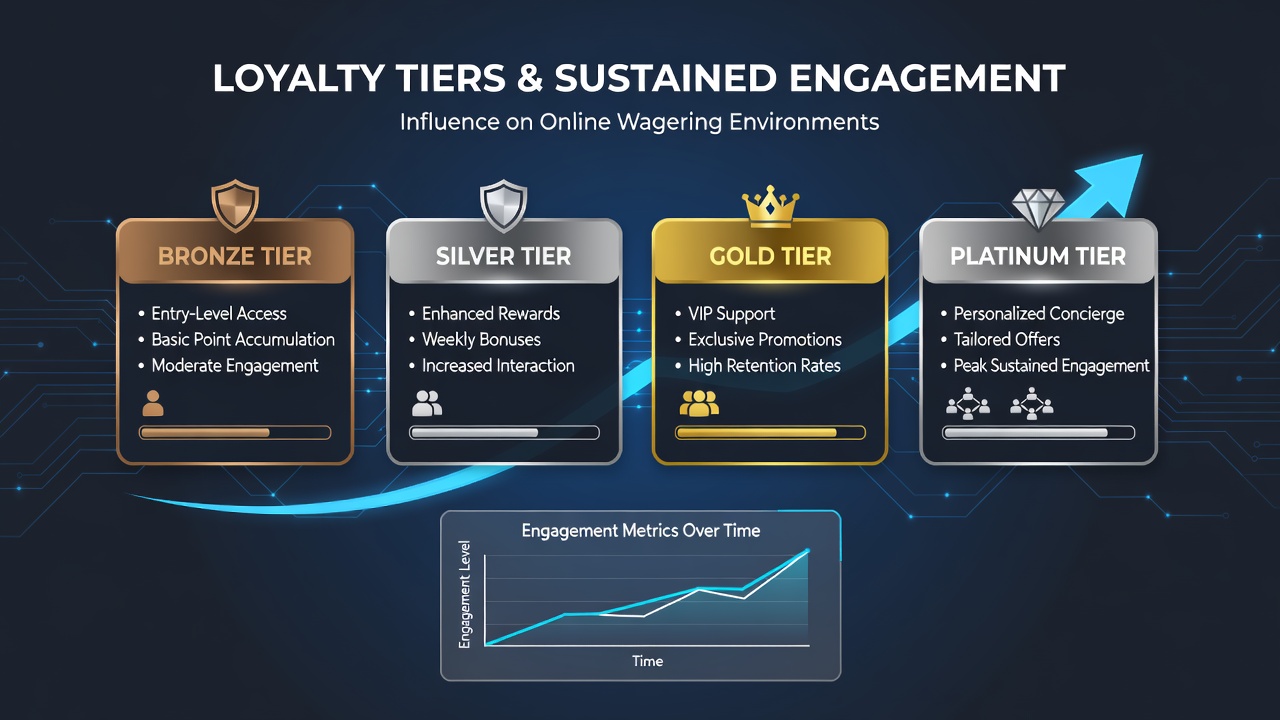
Behavioral patterns show that users who achieve silver or equivalent status often increase their average bet size to secure gold-level perks, while those already at the highest tiers receive tailored communications that remind them of remaining requirements to maintain status. Such targeted outreach has proven effective at sustaining momentum, particularly when combined with time-limited challenges that award additional points for meeting specific wagering targets during designated weeks.
Regional Variations and Regulatory Influences
Implementation details differ by jurisdiction, with North American operators frequently emphasizing sports-specific tiers tied to league seasons, whereas European and Asian platforms integrate casino and live dealer activity into the same point pools. The Victorian Responsible Gambling Foundation has examined how these integrated systems affect overall engagement patterns, noting that combined sports and casino tiers can extend session lengths across multiple product categories. Meanwhile reports from the National Council on Problem Gambling underscore the importance of clear disclosure around tier requirements to prevent misunderstandings that might otherwise lead to unintended over-participation.
August 2026 brought renewed focus on tier transparency after several operators updated their terms to display real-time progress bars within mobile apps, allowing users to track points toward the next level without navigating separate menus. This change coincided with broader industry shifts toward mobile-first designs that place loyalty dashboards prominently on home screens, thereby keeping reward status top of mind during routine app usage.
Future Developments in Tier Design
Emerging trends point toward greater personalization of tier benefits, where algorithms analyze individual betting histories to offer customized rewards rather than generic tier perks. Such refinements aim to strengthen the connection between specific user preferences and available incentives, potentially boosting engagement metrics further. Observers note that integration with virtual reality environments and live streaming features may soon allow tier status to unlock exclusive in-game experiences, adding new dimensions to the traditional points-and-rewards model.
Conclusion
Loyalty tiers continue to serve as central tools for maintaining activity within online wagering platforms through structured progression, expanding benefits, and data-driven personalization. Evidence from regulatory bodies and research organizations demonstrates measurable impacts on retention and session metrics, while ongoing adjustments in August 2026 reflect operators' efforts to refine these systems in response to user behavior and external oversight. As platforms evolve their approaches, the core relationship between tier advancement and sustained participation remains a defining characteristic of the sector.