Promo Code Ecosystems: How Virtual Event Codes Translate to Real Payout Structures Through Strategic Matching
Erik Krüger · Jul 27, 2026
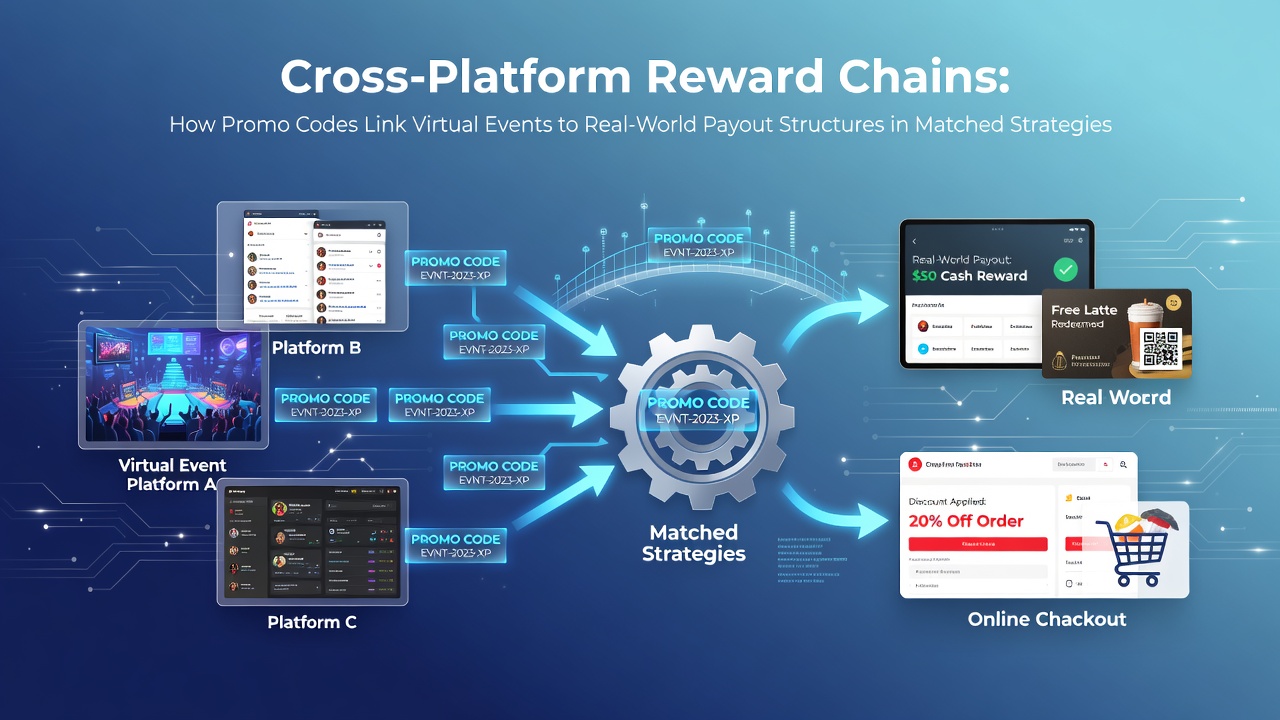
Promo Code Ecosystems: How Virtual Event Codes Translate to Real Payout Structures Through Strategic Matching
Promo code systems now operate as interconnected networks where digital event participation feeds directly into structured payout mechanisms, and observers note that these chains rely on precise matching tactics to convert virtual rewards into tangible compensation. Data from multiple jurisdictions shows that operators track code redemptions across platforms to align user activity with bonus eligibility, while regulatory frameworks in regions outside the UK continue to shape how these pathways function.
Core Mechanics of Cross-Platform Chains
Promo codes issued during virtual events carry unique identifiers that link to backend systems capable of verifying participation and triggering subsequent reward stages, and experts have observed that these identifiers often include time-stamped data points which match against live activity logs to prevent duplication. In practice, a single code might unlock an initial virtual credit, then require a corresponding real-world action such as a deposit or wager to advance the chain, whereas mismatched entries simply expire without payout. Research indicates that successful chains depend on synchronized data sharing between event platforms and payout processors, creating a sequence where each step validates the previous one through algorithmic checks rather than manual review.
Role of Matched Strategies in Reward Conversion
Matched strategies function by pairing specific promo code redemptions with predefined user behaviors, allowing the system to calculate and release payouts only when conditions align exactly, and figures reveal that operators in Canada and Australia have refined these pairings to reduce processing delays. One documented approach involves event-based codes that must be applied within a narrow window before a secondary action, such as account funding, activates the next tier, while data from industry reports shows that deviations from the sequence halt the chain entirely. Those who have studied these systems note that the matching process often incorporates risk thresholds, adjusting payout values based on historical redemption patterns rather than fixed amounts, and this dynamic scaling helps maintain operational balance across large user bases.
Integration of Virtual Events with Physical Payouts
Virtual events serve as entry points where participants receive codes that later connect to real-world financial structures, and evidence suggests that integration occurs through API linkages between event management software and banking processors. In July 2026, several operators expanded these linkages to accommodate seasonal virtual tournaments, resulting in measurable increases in cross-border redemptions according to aggregated industry data. The process typically requires users to complete verification steps that match the original event profile, ensuring that virtual engagement translates into verifiable payout eligibility without creating separate tracking silos.
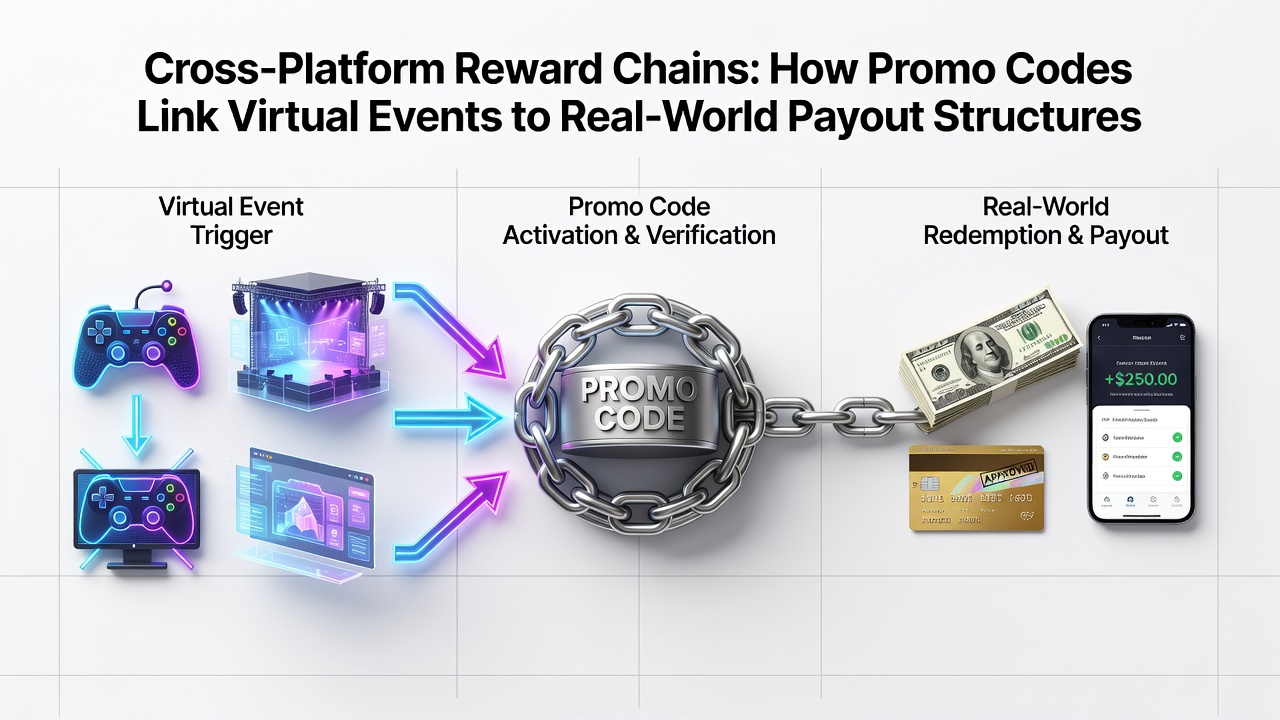
Additional layers include geo-fencing that restricts code validity to certain regions, while conjunctions in the code logic allow simultaneous tracking of multiple events for cumulative rewards, and analysts have documented cases where single users accumulated layered payouts from concurrent virtual campaigns. This layered approach reduces fragmentation but demands robust data integrity protocols to avoid conflicts during simultaneous redemptions.
Regulatory and Technical Considerations Across Regions
Government bodies in Ontario and Australia maintain oversight of how promo code chains interface with payout systems, requiring operators to demonstrate transparent matching protocols that comply with local consumer protection standards, and a report from the Alcohol and Gaming Commission of Ontario outlines specific audit requirements for code tracking. Technical implementations often employ encryption for identifier transmission, preventing interception that could disrupt the reward sequence, whereas studies from academic sources highlight that mismatches between virtual and physical records trigger automatic reviews. In parallel, research from the Australian Gambling Research Centre examines how such chains affect overall transaction volumes without focusing on any single operator's performance.
Conclusion
Cross-platform reward chains continue to evolve as operators refine the connections between promo codes, virtual events, and payout structures through increasingly precise matched strategies, and available data from regulatory and research sources demonstrates consistent patterns in how these systems operate across different jurisdictions. The emphasis remains on verifiable sequences that link digital participation directly to financial outcomes while adhering to established technical and oversight frameworks.