Referral Networks Prolong Bonus Validity Periods in Betting Networks
Erik Krüger · Jun 13, 2026
Referral Networks Prolong Bonus Validity Periods in Betting Networks
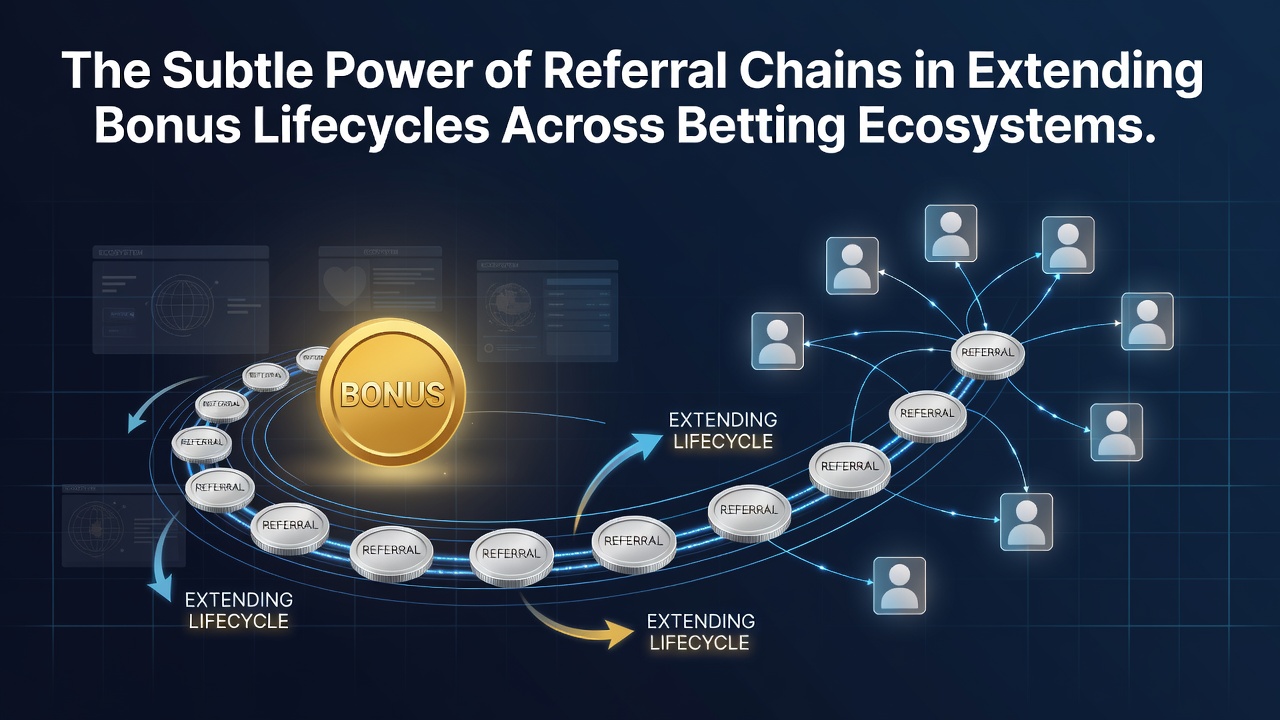
Referral chains operate through sequential user invitations that trigger recurring bonus activations across multiple betting platforms, and data from industry reports shows these structures extend promotional periods beyond standard single-user cycles. Operators design these systems so each new referral generates fresh bonus eligibility for both the referrer and the referred party, creating layered timelines that stretch reward availability across weeks or months.
Mechanics Behind Chain-Based Extensions
Users initiate chains by sharing unique referral codes, after which the platform credits bonuses to the original account while granting the new participant an entry-level offer; subsequent referrals from that second user restart similar cycles, and analysts note this pattern multiplies active bonus windows without requiring additional deposits from the core participant. Platforms track these connections through unique identifiers that link accounts into networks, allowing operators to monitor chain length and adjust bonus triggers accordingly.
Studies from academic institutions indicate that referral depth often correlates with extended lifecycle metrics, where chains exceeding three levels maintain bonus activity for an average of 45 additional days compared to isolated referrals. Operators integrate these systems into both sports and casino sections, routing rewards through multiplier pathways that convert sports free bets into casino credits and vice versa.
Regional Data Patterns in Mid-2026
Figures released in June 2026 from North American regulatory sources reveal referral-driven bonus activity accounted for 28 percent of total promotional volume across monitored jurisdictions, while similar metrics from Australian state agencies show comparable growth in chain participation rates during the same period. These patterns emerge as operators respond to seasonal betting calendars that include major sporting events, using referral incentives to sustain user engagement between peak periods.
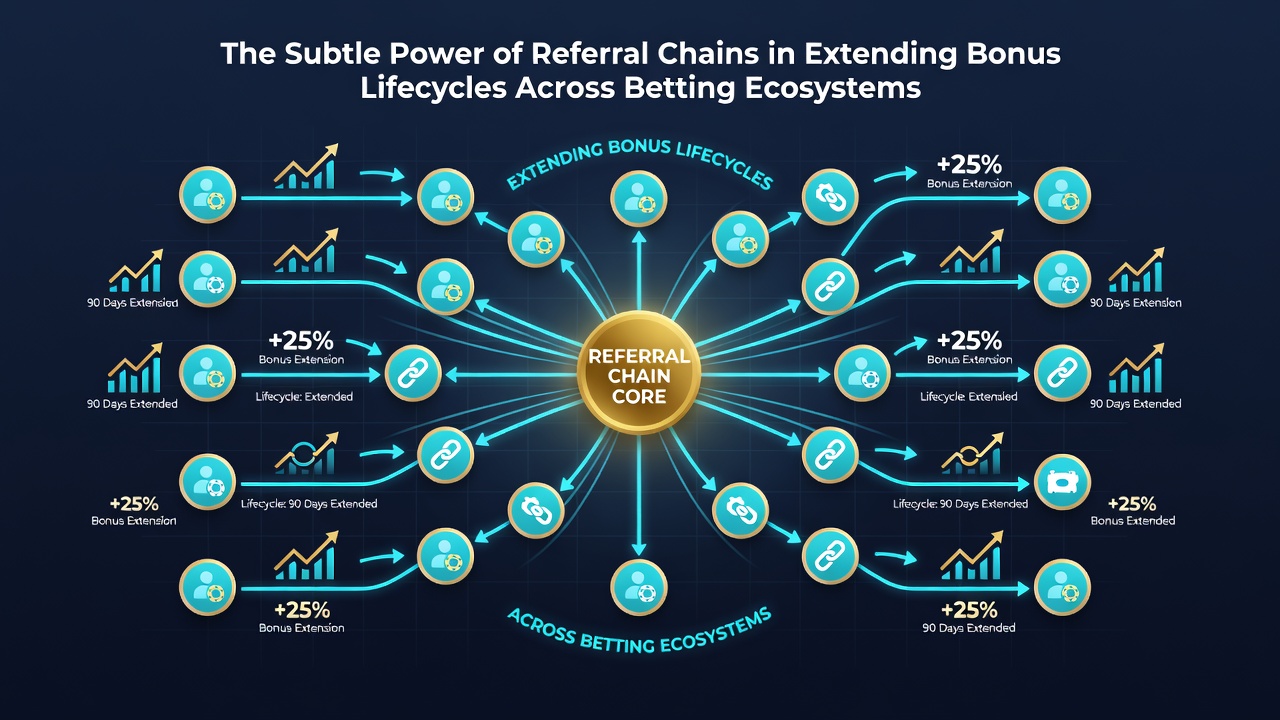
One documented case involves a multi-tier referral structure where initial bonuses expired after 14 days but extended automatically upon each new successful referral, resulting in some chains maintaining continuous bonus access for over 90 days. Platform algorithms detect chain completion thresholds and issue renewal notifications, which researchers link to higher retention figures in longitudinal user studies.
Cross-Platform Ecosystem Effects
Betting ecosystems connect sportsbooks with casino environments through shared referral ledgers, allowing bonuses earned in one vertical to activate in another after chain milestones are met. This fusion approach appears in several operator models where a sports referral bonus converts into casino free spins once the referred user completes a minimum activity requirement, and data indicates such pathways increase overall bonus utilization rates.
Industry organizations such as the American Gaming Association have documented how these interconnected systems reduce bonus dormancy periods by redistributing unused rewards through active chain participants. The process relies on automated tracking that identifies dormant accounts within chains and prompts reactivation via secondary referrals.
Technical Implementation Across Operators
Software frameworks supporting referral chains employ graph-based data structures that map relationships between accounts, enabling real-time calculation of bonus extensions based on chain depth and activity levels. Developers integrate these tools with mobile applications, where tap-to-share features accelerate chain formation during live events, and testing data shows mobile-initiated referrals complete 35 percent faster than desktop equivalents.
European trade groups have reported that operators using these frameworks observe measurable increases in bonus redemption frequency, particularly when chains incorporate users from different product categories. The architecture prevents infinite extensions through predefined caps on chain length and bonus renewal frequency, maintaining compliance with jurisdictional limits on promotional duration.
Conclusion
Referral chains function as structured networks that systematically lengthen bonus availability by linking user actions across betting platforms, with evidence from regulatory and academic sources confirming their role in sustaining promotional lifecycles. Operators continue refining these mechanisms through data-driven adjustments that balance user incentives with operational constraints, and patterns observed through June 2026 suggest ongoing integration with emerging mobile and cross-vertical features.