Referral Programs Redefine Bonus Structures in Online Betting Markets
Mia Werner · Jun 6, 2026

Referral Programs Redefine Bonus Structures in Online Betting Markets
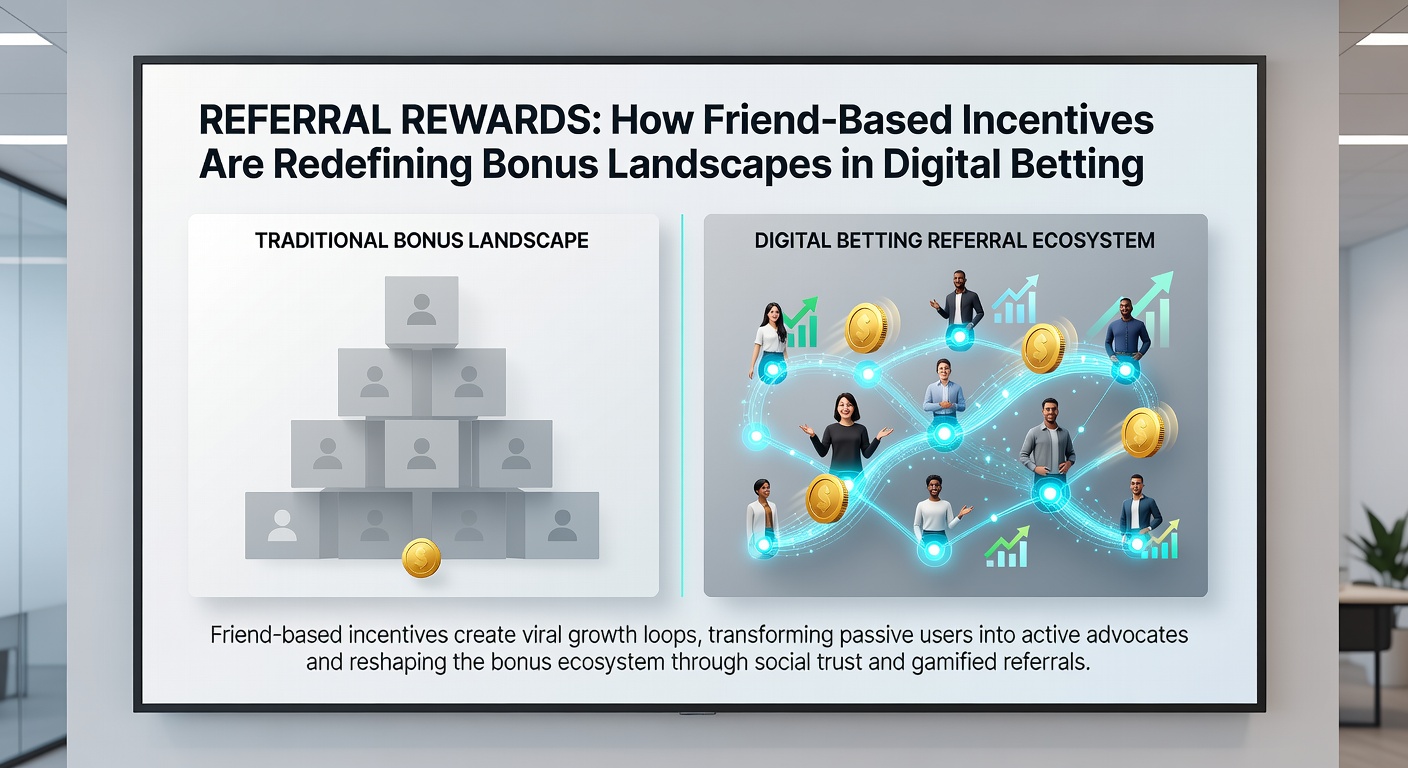
Referral programs have gained traction across digital betting platforms as operators seek new ways to expand user bases while rewarding existing participants, and data from industry reports indicates these incentives now form a core part of promotional strategies in multiple regions. Operators structure these offers so that both the referrer and the new user receive bonuses, often in the form of free bets or deposit matches, which creates a chain reaction of account sign-ups that differs from traditional welcome offers aimed solely at individual players.
According to figures released by the Australian Communications and Media Authority, referral activity in online wagering services rose steadily through early 2026, with platforms reporting higher retention rates when users invite contacts from their personal networks. This approach leverages trust between friends, whereas standard advertising relies on broader campaigns that may reach less engaged audiences, and the result shows in conversion metrics tracked by several operators.
Mechanics Behind Friend-Based Reward Systems
Most referral schemes operate through unique codes or links that track the connection between accounts, and once the referred user completes required actions such as a minimum deposit or first bet, credits appear in both parties' balances. Platforms vary the reward tiers, with some offering escalating bonuses for multiple successful referrals while others cap the number per account to control costs, yet the core model remains consistent across markets in Europe, North America, and Asia-Pacific zones.
Studies from research institutions like the National Center for Responsible Gaming highlight how these programs integrate with existing loyalty frameworks, allowing referred users to access tiered benefits sooner than those who join without an invitation. Operators update terms regularly, and by June 2026 several major sites had introduced time-limited referral windows tied to major sporting events, which boosted participation numbers during those periods.
Regional Variations and Platform Adaptations
European operators often combine referral bonuses with casino elements, converting sports credits into slot spins or table game vouchers, whereas North American platforms tend to keep rewards within sports betting verticals to comply with state-specific rules. Canadian provinces show similar patterns, with provincial regulators monitoring these promotions to ensure they align with responsible gambling standards, and data indicates referral-driven sign-ups account for a growing share of new registrations in those jurisdictions.
One notable shift involves mobile-first designs that embed referral tools directly into app interfaces, making it simple for users to share links via messaging services without leaving the platform. This convenience factor contributes to higher engagement, as observers note that seamless sharing reduces friction compared to older email-based systems still used by some legacy sites.
Impact on User Acquisition and Retention
Industry analysts tracking global trends report that referral programs lower customer acquisition costs for operators because word-of-mouth recommendations carry built-in credibility that paid ads lack, and this efficiency shows up in metrics where referred users demonstrate longer average session times and higher deposit frequencies in the months following signup. Platforms that layer these incentives onto existing bonus structures often see compounded effects, as users who arrive via referrals frequently participate in subsequent promotions at elevated rates.
Those who've examined program data across multiple operators note that successful referrals frequently lead to secondary referrals, forming clusters of connected accounts that sustain activity during quieter betting periods. Regulatory bodies in various markets require clear disclosure of terms, which encourages operators to simplify reward conditions and avoid complex wagering requirements that could deter participation.
Future Directions for Incentive Models
As digital betting continues to evolve, referral mechanisms are expected to incorporate more personalized elements based on user behavior patterns, with some platforms testing AI-driven suggestions for who to invite next. Integration with broader loyalty ecosystems allows accumulated referral credits to unlock exclusive events or higher payout percentages, and this layering approach distinguishes friend-based incentives from one-time sign-up bonuses that dominated earlier market phases.
Research indicates that these programs also support compliance efforts by directing new users toward verified channels rather than unregulated alternatives, and operators in multiple regions have adjusted their offerings accordingly through mid-2026. The structure creates mutual accountability between referrer and referred, which aligns with broader responsible gaming initiatives that emphasize informed participation.
Conclusion
Referral rewards continue to expand their role within digital betting ecosystems, supported by measurable growth in user connections and platform retention figures across diverse regulatory environments. As operators refine these systems, the emphasis remains on transparent mechanics that benefit both parties while fitting within existing legal frameworks, and ongoing data collection will likely shape how these incentives develop in coming periods.