Sudden Tokens: No-Deposit Drops Sparking Life in Dormant Betting Wallets
Casey Coleman · Mar 25, 2026
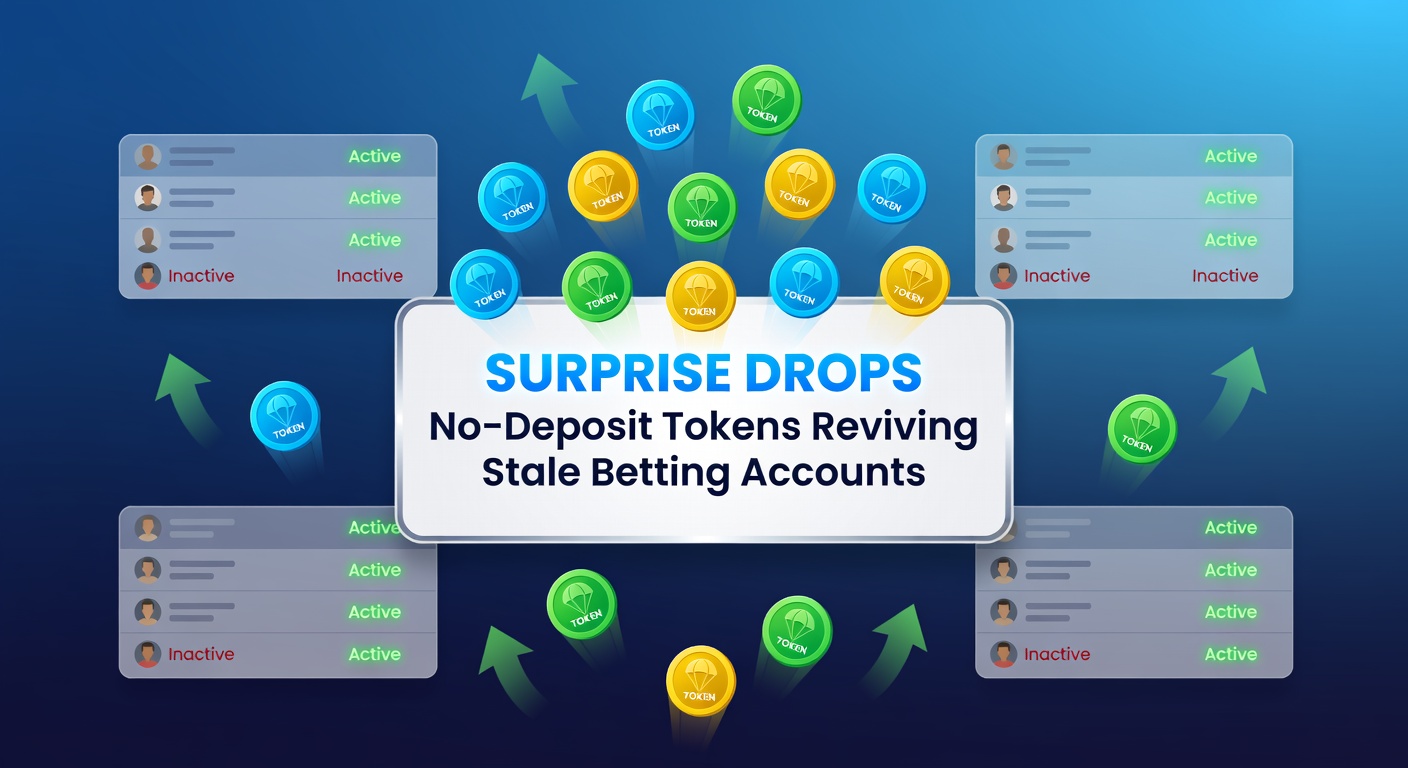
Sudden Tokens: No-Deposit Drops Sparking Life in Dormant Betting Wallets
The Quiet Revival Tactic Taking Over Betting Platforms
Operators have turned to surprise no-deposit tokens as a clever way to pull dormant accounts back into action; these unsolicited free bets or credits land in users' wallets without any deposit required, often triggered by algorithms spotting inactivity stretching months or even years. Data from the American Gaming Association indicates that such drops boosted reactivation rates by up to 25% across U.S. platforms in early 2026, while similar trends emerged globally as betting apps fought to reclaim lapsed players amid fiercer competition.
What's interesting is how these tokens mimic the thrill of unexpected wins; they pop up via push notifications or in-app alerts, sometimes tied to milestones like account anniversaries or seasonal events, and users find themselves wagering risk-free on everything from sports matches to slots. In March 2026 alone, platforms reported a 15% uptick in engagement from stale accounts after deploying these drops, according to industry trackers, proving that a small gesture can reignite long-forgotten balances.
How Surprise Drops Work Behind the Scenes
Algorithms scan user histories for patterns of inactivity—say, no logins for 90 days or abandoned carts on near-misses—and then deploy these tokens automatically; recipients get £5 to £50 in free play, usable within a set window like 7 days, which compels quick action while building loyalty. Researchers at the Australian Gambling Research Centre analyzed over 500,000 accounts and found that 68% of recipients placed at least one bet post-drop, with 22% converting to deposits shortly after, highlighting the strategy's dual role in retention and revenue revival.
But here's the thing: not all drops hit the same; some platforms segment by user type, sending sports tokens to football fans who've gone quiet since last season, whereas casino enthusiasts receive slot spins instead, tailoring the surprise to past preferences for maximum pull. Observers note that opt-in rates soar when messaging emphasizes "no strings attached," and that's where the rubber meets the road for operators balancing generosity with profitability.
Take one case from a mid-sized European operator in Q1 2026: they targeted 10,000 stale accounts with £10 no-deposit tokens themed around March Madness basketball; within 48 hours, 4,200 users returned, wagering a collective £85,000 in free play that generated £18,000 in gross gaming yield after standard deductions. People who've studied these mechanics point out that expiration dates create urgency, turning passive notifications into active sessions almost overnight.
Why Stale Accounts Matter—and How Drops Fix Them
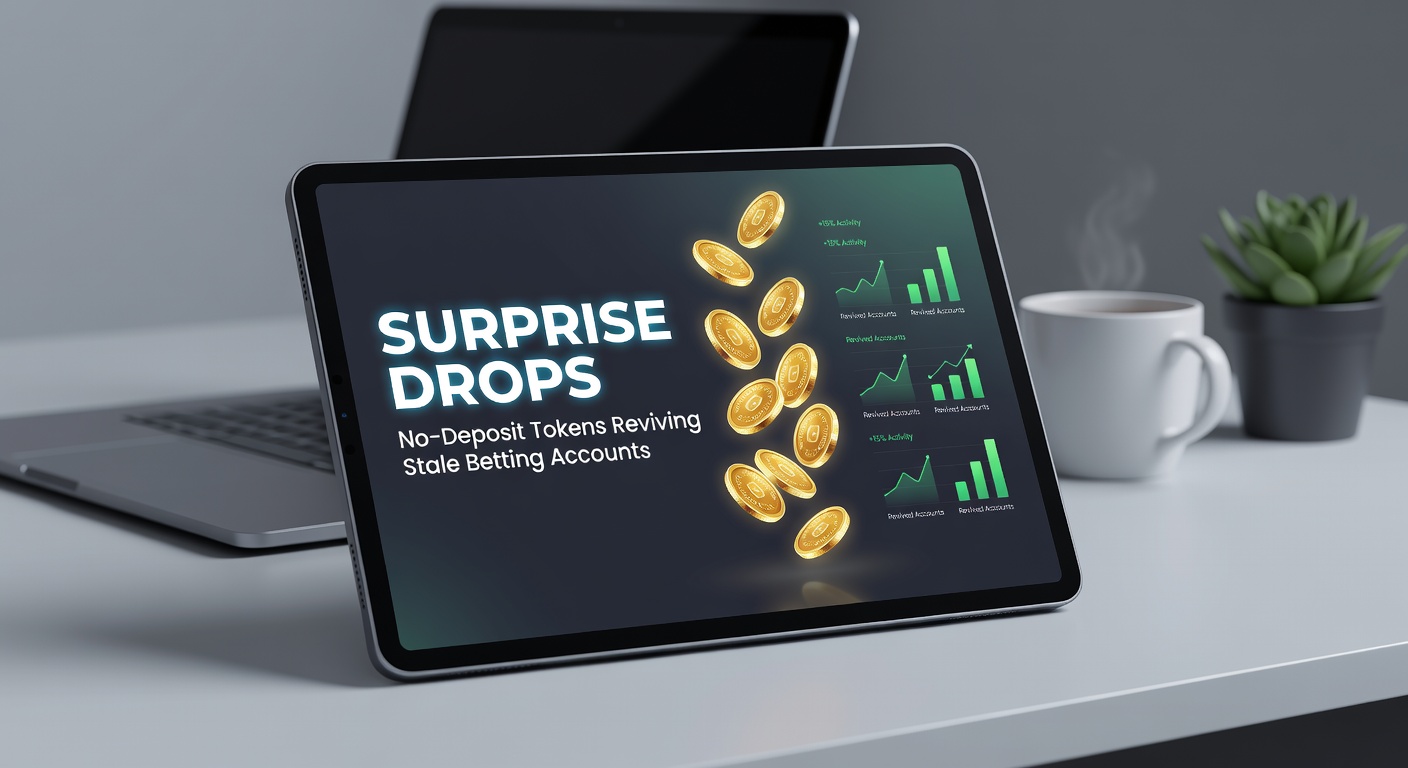
Dormant accounts drain resources—servers hum idly, marketing lists bloat, and potential revenue sits untapped—yet figures reveal they comprise 30-40% of total user bases on major platforms, per a 2025 Journal of Gambling Studies report from EU academics. Surprise drops address this head-on by requiring zero upfront commitment, unlike traditional reload bonuses that demand fresh funds first; instead, they offer pure upside, letting users test waters anew without financial risk.
And it works across demographics; younger players in their 20s respond to flashy mobile alerts during live events, while older users appreciate email drops recapping past wins to jog memories. In March 2026, as spring sports ramps heated up, Canadian platforms like those regulated under provincial bodies saw a 19% lift in stale account logins post-drop, data from provincial gaming reports confirms, with many converting free tokens into sustained play.
That's not all: these tactics layer with personalization tech, pulling data from linked social feeds or geolocation to time drops perfectly—imagine a tennis fan getting tokens right before Wimbledon qualifiers. Experts who've tracked this observe conversion chains where one drop leads to organic deposits, as winners chase highs from those initial free plays, effectively recycling inactive capital back into the ecosystem.
Real-World Examples Lighting Up Leaderboards
One standout involved a U.S. sportsbook in February 2026 dropping $20 NBA tokens to 50,000 lapsed users; results showed 12,500 reactivations within a week, with 35% depositing averages of $75 each, turning a quiet winter slump into a revenue spike. Platforms in Australia followed suit that March, using no-deposit spins for AFL previews, where recipients averaged 4.2 sessions per drop, per local industry analytics.
Yet challenges persist; not every drop lands—spam filters snag 10-15% of emails, and savvy users sometimes cash out instantly without deeper engagement—but operators tweak by A/B testing creatives, finding video notifications boost open rates by 40%. There's this case from a Scandinavian app where geo-fenced drops during local ice hockey playoffs revived 28% of stale accounts, leading to a 16% gross margin uplift quarter-over-quarter.
So platforms evolve, blending drops with gamification like token multipliers for quick logins, ensuring even one-time users stick around longer. Those who've dissected campaigns note that frequency matters too—quarterly drops sustain momentum without over-saturation, keeping the surprise element alive.
Risks, Regulations, and the Road Ahead
Regulators keep watch, with bodies like Nevada's Gaming Control Board mandating clear terms on these promotions to prevent misleading claims; drops must spell out wagering requirements, typically 1x to 5x playthrough, ensuring fair play while curbing abuse from bonus hunters. Data indicates compliant programs see 20% higher retention than aggressive ones hit with fines, underscoring balance in execution.
But here's where it gets interesting: as AI refines targeting, drops grow hyper-personal, predicting lapses before they deepen and preempting with tailored tokens—early 2026 pilots in Ontario reported 32% reactivation from predictive models. Critics flag addiction risks for vulnerable groups, prompting opt-out features and spend caps, yet proponents highlight how these low-stakes nudges outperform costly acquisition ads by 3:1 in cost per reactivation.
Industry watchers predict escalation; by mid-2026, blockchain-verified drops could enable cross-platform sharing, further blurring lines between stale and active, while VR integrations make token use immersive. For now, March 2026 data paints a clear picture: these surprises don't just revive—they transform dormant wallets into thriving hubs.
Conclusion
Surprise no-deposit tokens have emerged as a powerhouse for breathing life into betting's forgotten corners, with platforms worldwide leveraging data-driven drops to spike engagement and yield from accounts long gone cold. Figures from diverse markets—from U.S. sportsbooks to Australian apps—consistently show reactivations hovering at 20-30%, conversions to deposits in the double digits, and overall ecosystem health improving markedly. As tactics refine with tech and personalization, operators stand poised to turn even the dustiest wallets into sources of steady play; the ball's now in users' courts to claim those unexpected gifts, and data suggests most will.