Tiered Rewards Systems Redefining How UK Betting Companies Keep Players Engaged
Mia Werner · Jul 29, 2026
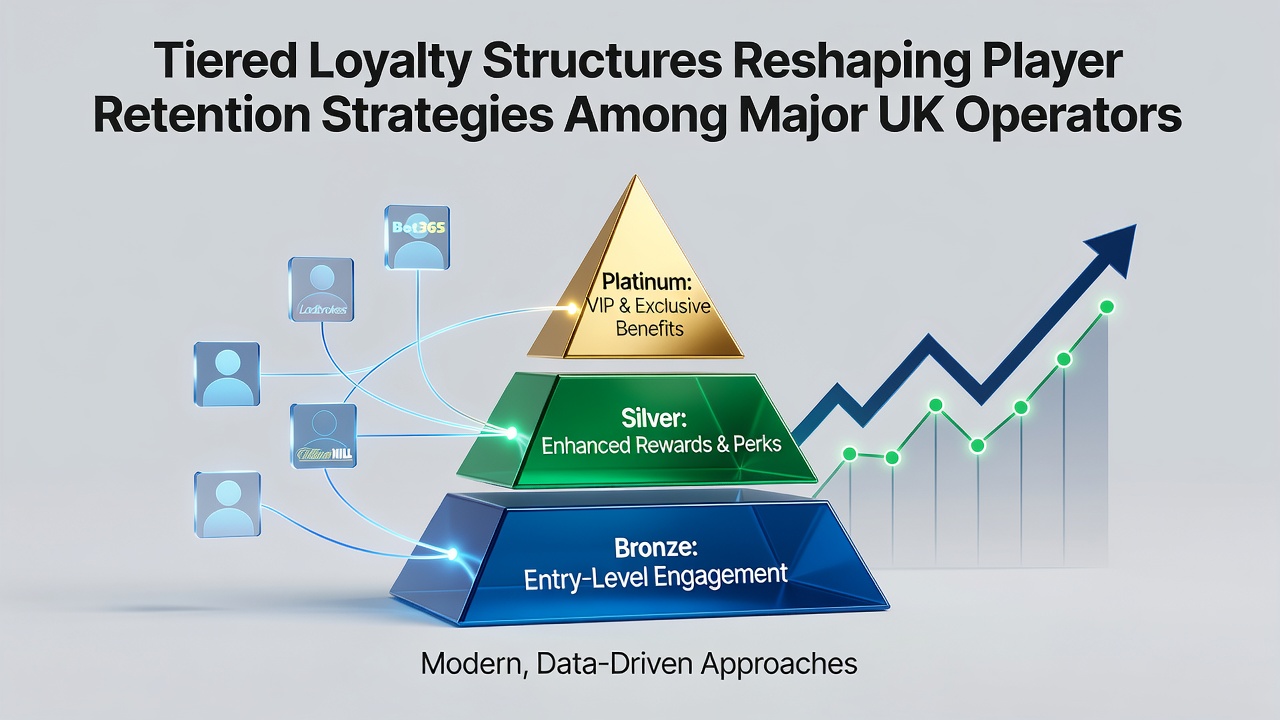
Tiered Rewards Systems Redefining How UK Betting Companies Keep Players Engaged
Operators across the United Kingdom have expanded tiered loyalty structures since early 2025, and these systems now form a central part of retention efforts for several major betting platforms. Companies segment players into multiple levels based on activity metrics such as wager volume, frequency, and account tenure, then deliver differentiated rewards at each stage. Recent figures indicate that more than sixty percent of the largest remote operators have introduced or upgraded such programs by July 2026.
Data from industry analyses show that players who reach higher tiers demonstrate longer account lifespans and higher repeat engagement rates compared with those who remain at entry levels. Operators calculate tier progression through algorithms that track real-money stakes across sports and casino products, while some programs also factor in participation in live events or virtual offerings. This approach allows firms to allocate marketing budgets more precisely toward segments that generate the greatest revenue contribution.
Mechanics Behind Multi-Level Reward Frameworks
Entry-level tiers typically grant access to standard free bets and cashback percentages, whereas mid-tier and top-tier participants receive enhanced multipliers, exclusive event invitations, and priority customer support channels. Several operators have linked these benefits to cross-product pathways, so that accumulated points from sports wagers convert into casino bonuses and vice versa. Reports compiled by research institutions in Australia and Canada reveal similar patterns in other regulated markets, where tiered structures correlate with measurable increases in player lifetime value.
One study released by the Australian Gambling Research Centre examined loyalty mechanics across multiple jurisdictions and found that segmented reward delivery reduced churn rates by up to eighteen percent in the twelve months following implementation. UK operators have adapted comparable models, adjusting point thresholds seasonally to align with major sporting calendars such as the Premier League and international tournaments.
Adoption Patterns Among Leading Platforms
By mid-2026, at least four of the five largest remote betting groups operating in Britain had rolled out refreshed tier systems that incorporate dynamic status resets every three or six months. These resets require continued activity to maintain or advance standing, which encourages ongoing participation rather than one-time spikes. Observers note that this design mirrors strategies already tested in North American gaming markets, where loyalty tiers helped stabilise revenue streams during periods of regulatory change.

Implementation often involves mobile-first interfaces that notify users of upcoming tier thresholds and remaining requirements. Push alerts and in-app progress bars have become standard features, and data indicates higher interaction rates among players who receive these real-time updates. Operators also integrate personalised offers at each tier, drawing from individual betting histories to tailor free bet values and game recommendations.
Impact on Broader Retention Metrics
Industry reports compiled through 2025 and into 2026 demonstrate that operators employing tiered loyalty recorded steadier month-on-month active user figures compared with those relying solely on welcome bonuses or generic reload offers. Retention gains appear most pronounced among mid-tier players, who receive enough incremental value to remain active without qualifying for the most exclusive top-level perks. European regulatory bodies and academic research groups have begun tracking these outcomes as part of wider studies on responsible gambling tools and player engagement patterns.
Additional features such as milestone bonuses and status protection periods further differentiate the programs. Status protection allows players who experience temporary dips in activity to retain their tier for a defined window, reducing frustration and potential account closure. Several firms have extended these protections during major sporting off-seasons to maintain continuity in engagement levels.
Future Developments in Loyalty Segmentation
Analysts expect continued refinement of tier criteria through 2027, with greater emphasis on responsible play indicators alongside volume-based metrics. Some operators have begun piloting tiers that reward consistent low-stake participation rather than high-volume wagering alone. Research from Canadian university-affiliated gaming studies suggests that balanced reward structures may support longer-term player retention while aligning with harm-minimisation objectives.
Operators continue to test combinations of cash rewards, non-monetary benefits such as merchandise or event access, and loyalty point multipliers tied to specific products. These experiments occur against a backdrop of evolving tax and regulatory frameworks that influence overall marketing spend allocation.
Conclusion
Tiered loyalty structures have become embedded within retention strategies for major UK operators, supported by data showing improved player longevity and segmented reward delivery. As platforms refine these systems through 2026 and beyond, metrics from multiple international sources indicate that structured progression models will likely remain a key component of operator approaches to sustaining engagement across both sports and casino verticals.