UK Bettors Draw Line at Bank Statements: 65% Vow to Ditch Licensed Sites Over Affordability Check Push
Mara Schmidt · Apr 15, 2026

UK Bettors Draw Line at Bank Statements: 65% Vow to Ditch Licensed Sites Over Affordability Check Push
The Surge in Opposition to Intrusive Reforms
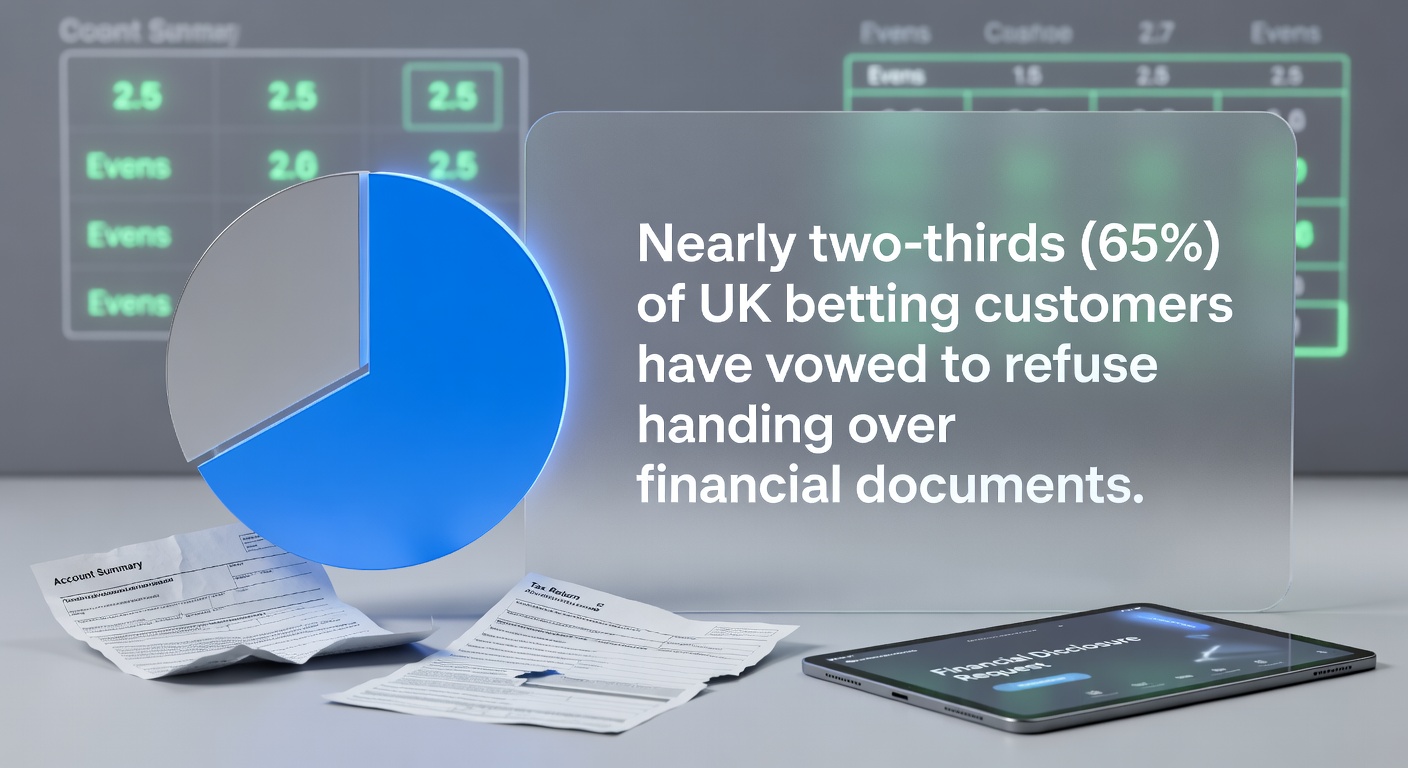
A striking 65% of UK betting customers have pledged to withhold financial documents like bank statements from online gambling affordability checks, reforms currently under consideration by the Gambling Commission; this figure emerges from a recent survey of more than 2,000 punters, data that underscores a broader revolt against what critics call "mortgage-style" assessments. Industry bodies such as the Betting and Gaming Council have seized on these findings, warning that such measures could propel bettors toward unregulated offshore operators, a shift with dire consequences for the regulated market.
What's interesting here is how quickly pushback has crystallized; researchers conducting the poll captured responses from a diverse cross-section of gamblers, many of whom described the checks as overly invasive, preferring instead to maintain privacy over their spending habits even as regulators aim to curb problem gambling. And while the proposals target high-frequency bettors initially, the ripple effects worry everyone from casual punters to industry stalwarts, especially now in April 2026 when betting volumes are climbing amid a packed sports calendar.
Take the Gambling Commission's own research involving 12,000 frequent gamblers; that study echoes the survey's sentiments, revealing widespread resistance that aligns with punters' vows to abandon licensed platforms if forced to submit sensitive documents. Observers note this convergence of data paints a clear picture: bettors value convenience and discretion, qualities that these checks threaten to erode overnight.
Industry Leaders Sound Alarm on Economic Fallout
The Betting and Gaming Council didn't mince words in their response, projecting that a mass exodus to illegal offshore sites could strip British horse racing of £250 million over the next five years; that's revenue directly tied to levies on bookmaker profits, funds that sustain racecourses, trainers, and jockeys across the country. But here's the thing: the damage doesn't stop at the track; Treasury tax receipts stand to lose £200 million in the same period, while as many as 85,000 jobs across the gambling sector hang in the balance, from call center staff to compliance officers.
Figures like these come straight from industry analyses tied to the survey results, highlighting how regulated operators already shoulder hefty compliance costs, yet face the prospect of losing customers to black-market alternatives that offer no such protections. One case in point involves punters who've tested offshore waters during past regulatory squeezes; those who've returned often cite lax checks as a draw, even if it means dodging consumer safeguards like self-exclusion tools or fair odds guarantees.
And yet, the council emphasizes that licensed firms invest millions in responsible gambling initiatives, from deposit limits to reality checks, measures that offshore rivals simply ignore; this contrast, they argue, makes the affordability push counterproductive, potentially funneling vulnerable players into riskier environments unchecked by UK oversight.
Breaking Down the Survey Data and Bettor Sentiment
Diving deeper into the survey of over 2,000 punters, researchers found that 65% outright refuse to share bank statements or similar proofs of affordability, a stance rooted in privacy concerns that span demographics from young soccer fans to veteran horse racing enthusiasts. Data indicates this isn't fringe opposition; even among moderate gamblers, support for the checks hovers low, with many opting for self-imposed limits over third-party financial scrutiny.
Those who've studied betting behavior point out patterns like this before, especially during earlier consultations where similar proposals met resistance; punters frequently describe the process as cumbersome, akin to applying for a loan just to place a weekend accumulator. The Gambling Commission's parallel probe of 12,000 high-volume players reinforces this, as figures reveal comparable rejection rates among frequent depositors who fear delays or denials disrupting their routines.
Now, consider the mechanics of these proposed checks: operators would verify income and outgoings before allowing stakes above certain thresholds, a system modeled on lending practices but adapted for gambling; while intended to prevent harm, it clashes with the instant gratification that draws millions to licensed apps, particularly during live events where split-second decisions rule.
Projections for Horse Racing and Broader Impacts
British horse racing faces the sharpest end of the stick, with the Betting and Gaming Council's £250 million five-year loss forecast tied to declining onshore bets; levy income, which funds 90% of prize money and infrastructure, relies on a healthy regulated market, so any offshore drift hits hard, threatening everything from Newmarket gallops to rural training yards. Experts who've crunched the numbers warn of cascading effects: fewer races, reduced attendance, and job cuts for stable hands who keep the sport running.
That said, the Treasury's £200 million revenue shortfall looms equally large; gambling duty from licensed operators fills government coffers, supporting public services far beyond the track, while the 85,000 at-risk jobs encompass retail bookies, online support teams, and tech roles fueling app innovations. One study from similar regulatory shifts elsewhere showed job losses averaging 10-15% in affected sectors, a precedent that UK stakeholders watch closely as April 2026 consultations intensify.
Offshore operators, unregulated and untaxed, lure with promises of no checks or limits, but deliver none of the protections; punters who've dipped in report issues like withheld winnings or data breaches, yet the survey suggests frustration with UK rules could still drive traffic their way, underscoring the tightrope regulators walk between safety and sustainability.
Stakeholder Reactions and the Path Forward
Leaders from the Betting and Gaming Council have rallied operators to lobby against the reforms, framing them as a blunt tool that ignores existing safeguards like frictionless play limits or biometric age verification; their message resonates with punters in the survey, 65% of whom signal readiness to walk away, potentially reshaping the market overnight. Researchers observing these dynamics note how past tweaks, such as stake caps on slots, prompted adaptations without mass exodus, but financial document demands cross a new threshold.
The Gambling Commission, for its part, presses ahead with pilots and feedback loops, yet their own data from 12,000 gamblers highlights the opposition, prompting questions about refinement; perhaps frictionless checks using open banking APIs could soften the blow, though punter surveys cast doubt on acceptance even there. And as horse racing braces for impacts, figures like the British Horseracing Authority echo the £250 million warning, urging a balanced approach that protects without alienating.
It's noteworthy that amid April 2026's rising betting activity, this standoff tests the industry's resilience; offshore sites already snag a slice via VPNs and crypto, but a regulated purge could swell their ranks, costing jobs and revenue while leaving problem gamblers exposed.
Conclusion
The convergence of a 65% punter revolt in the survey of over 2,000 bettors and the Gambling Commission's findings from 12,000 frequent gamblers signals deep unease with affordability checks demanding bank statements; industry projections of £250 million lost to horse racing, £200 million in tax revenue, and 85,000 jobs underscore the stakes, as leaders warn of an offshore shift that undermines UK protections. Data paints a scenario where privacy clashes with prevention, forcing regulators to weigh reform against retention; observers tracking these developments see the writing on the wall: without tweaks, the regulated market risks contraction, while bettors seek alternatives that skirt the rules entirely. As consultations continue into 2026, the ball's in the Gambling Commission's court to navigate this divide, balancing harm reduction with an ecosystem that sustains sports, jobs, and fiscal health.