Unlocking Loyalty: Tiered Reward Systems in Betting Applications and Their Role in Sustaining User Engagement
Mia Griffin · Jul 8, 2026
Unlocking Loyalty: Tiered Reward Systems in Betting Applications and Their Role in Sustaining User Engagement
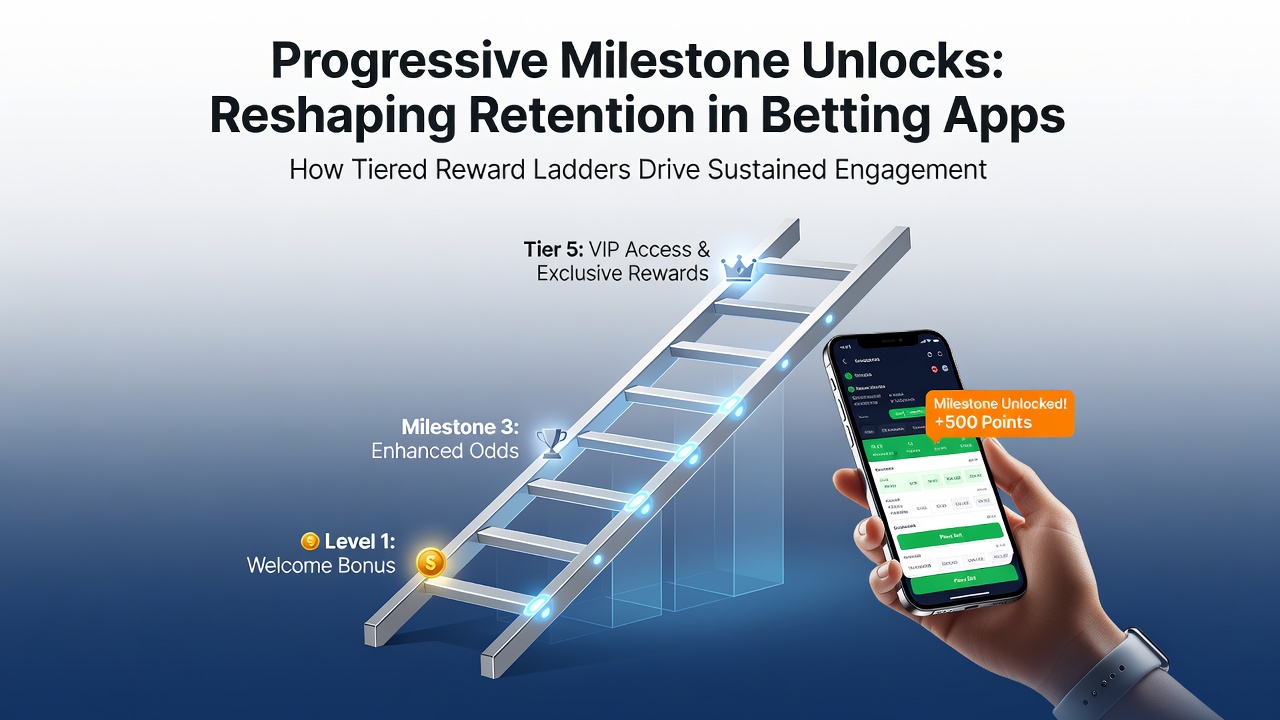
Betting applications have adopted tiered reward ladders as structured progression systems that grant users incremental benefits based on accumulated activity and milestone achievements, and these mechanisms operate through defined levels where participants advance by meeting specific wagering thresholds or engagement targets. Data from multiple markets shows operators implementing these ladders to organize rewards into bronze, silver, gold, and platinum tiers, each unlocking enhanced free bets, boosted odds, or exclusive event access as users climb higher.
Mechanics Behind Progressive Milestone Unlocks
Operators design these ladders so that initial tiers require modest deposit volumes or bet counts, while subsequent levels demand greater commitments such as sustained weekly activity or total stake amounts, and this progression creates a sequence where each unlock delivers tangible advantages that build on prior achievements. Research from academic institutions indicates that milestone structures often incorporate time-bound challenges, where users complete sets of tasks like placing accumulator bets across sports categories to advance, thereby integrating varied product usage into the retention framework.
One study conducted by researchers at the University of Nevada examined similar loyalty architectures in digital gaming environments and found that clear milestone visibility correlates with extended session durations, since participants receive immediate feedback on progress bars and upcoming rewards. These systems frequently employ algorithms that adjust difficulty curves based on individual user history, ensuring that advancement remains attainable yet challenging enough to maintain momentum.
Retention Patterns Across Different Regions
Figures from the Nevada Gaming Control Board reveal that platforms incorporating tiered rewards reported higher repeat login rates during the first half of 2026, particularly as mobile interfaces streamlined the tracking of progress toward next-level unlocks. In parallel developments observed by July 2026, Australian regulatory summaries from the Department of Local Government, Sport and Cultural Industries noted comparable upticks in account activity among users enrolled in progressive reward programs, where milestone completions triggered personalized notifications that prompted return visits.
European operators have integrated these ladders with live event betting feeds, allowing users to accelerate tier progression through in-play wagers, and industry reports compiled by the European Gaming Association highlight how such integrations sustain engagement during major tournaments by aligning reward pacing with real-time match outcomes. Observers note that the layered structure discourages abrupt departures because accumulated progress carries forward, reducing the appeal of switching to competing applications without equivalent ladders.
Data Trends and Implementation Examples
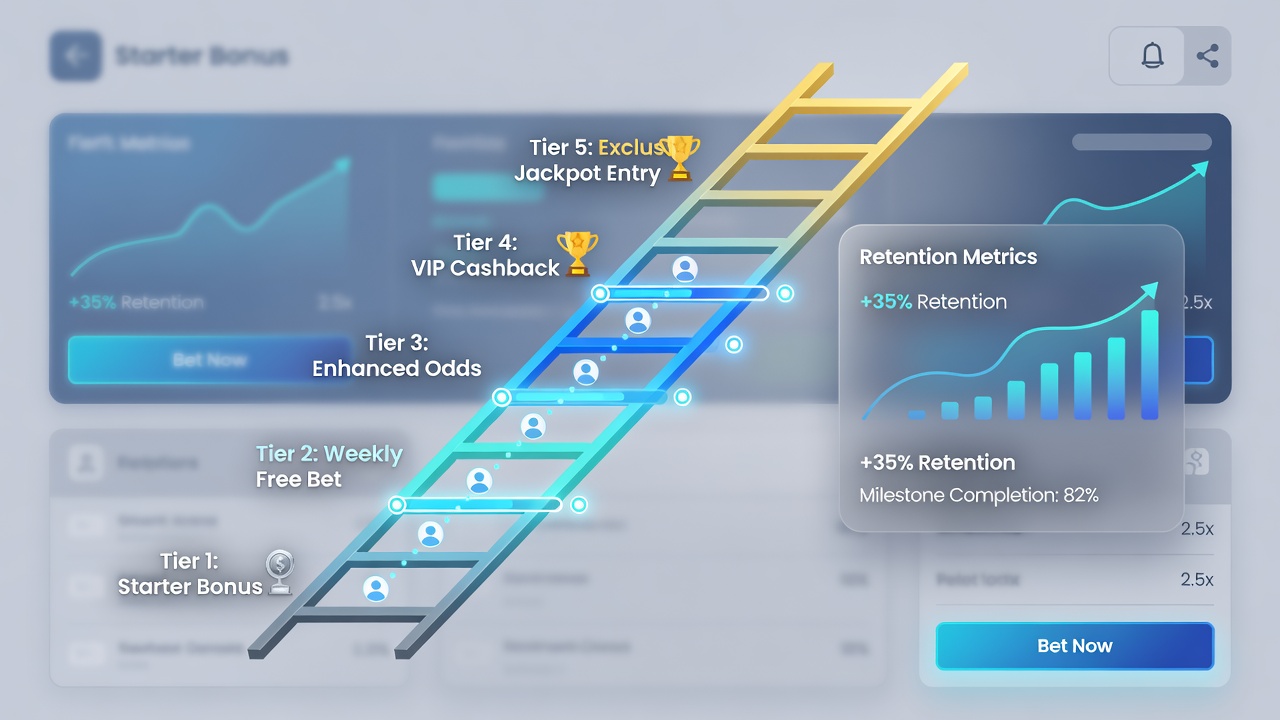
Market analyses conducted in North American jurisdictions demonstrate that tiered systems contribute to longer average customer lifecycles, with one report linking milestone unlocks directly to a measurable increase in monthly active users across multiple applications. Those who've examined transaction logs from platforms in Canada point out that reward ladders often bundle casino and sports products, encouraging cross-category exploration as users chase the next tier benefits.
What's interesting is how operators calibrate the spacing between milestones to avoid plateaus, a technique that keeps progression visible and motivates consistent participation without requiring excessive capital outlay at any single stage. Case examples include apps that award loyalty points convertible into tier-specific merchandise or event tickets once certain thresholds are crossed, thereby adding non-monetary value that strengthens attachment beyond pure financial incentives.
Conclusion
Tiered reward ladders continue to evolve as betting applications refine their milestone structures to align with user behavior data, and evidence from regulatory bodies across different continents shows these systems sustaining activity levels through carefully sequenced unlocks. As platforms collect more granular engagement metrics, the architecture of progressive rewards is expected to incorporate additional personalization layers that respond to individual patterns while maintaining the core ladder framework that drives repeated interactions.