Virtual Arenas and the Tactical Blend of Odds Boosts with Zero-Deposit Incentives
Casey Coleman · May 18, 2026
Virtual Arenas and the Tactical Blend of Odds Boosts with Zero-Deposit Incentives
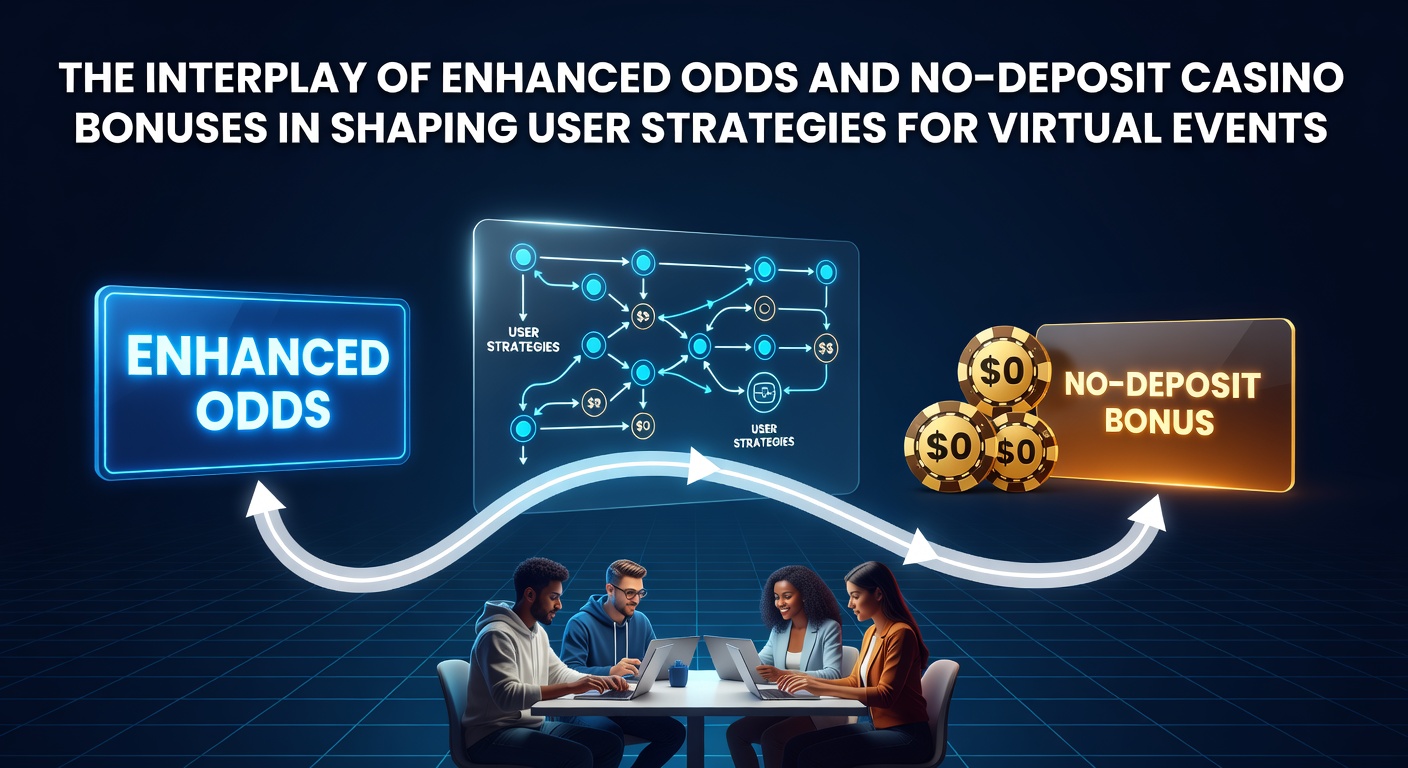
Virtual events have carved out a distinct space in digital entertainment where participants engage with simulated sports and games through online platforms, and operators integrate enhanced odds alongside no-deposit casino bonuses to guide how users approach these activities. Enhanced odds provide temporary increases to payout multipliers on selected outcomes while no-deposit bonuses grant access to credits or spins without requiring an initial transfer of funds. Research from the Australian Gambling Research Centre indicates these tools appear together in promotional structures that encourage repeated logins and varied betting patterns during virtual competitions.
Mechanics Behind Enhanced Odds in Simulated Competitions
Enhanced odds function by adjusting the probability multipliers displayed for events such as virtual soccer matches or simulated horse races, often limited to specific time windows or user segments. Data compiled by the European Gaming and Betting Association shows operators apply these adjustments during peak hours of virtual event scheduling to align with user engagement peaks. Users then calculate potential returns by combining the boosted figures with their existing stake amounts, which alters the risk-reward calculations they perform before confirming selections.
Platforms track these adjustments through backend algorithms that respond to real-time participation metrics, and this responsiveness creates opportunities for users to time their entries around announced boosts. Observers note that such timing strategies become more pronounced when virtual events run on compressed schedules, such as the series of digital tournaments that gained visibility in May 2026.
Role of No-Deposit Bonuses in Initial User Onboarding
No-deposit casino bonuses serve as entry points that allow new accounts to explore game libraries immediately upon registration, typically through fixed credit amounts or free spin allocations. These offers carry wagering requirements that dictate how many times users must cycle the bonus value before withdrawal eligibility activates. Figures released by the Canadian Centre for Gambling Research reveal that players often apply these credits first to lower-volatility virtual table games to build toward the playthrough thresholds.
Once the requirements near completion, users frequently shift toward higher-multiplier options that may coincide with enhanced odds promotions running concurrently. This sequencing produces extended session lengths as participants work through both the bonus conditions and the time-sensitive odds adjustments in a single sitting.
Combined Application in Strategy Development
Users develop layered approaches when enhanced odds and no-deposit bonuses operate in tandem. One common pattern involves allocating bonus credits to selections carrying the boosted odds, thereby stretching the effective value of the non-deposited funds across larger potential returns. Industry reports from the Gaming Association of Singapore document how this allocation method appears in user behavior logs during multi-day virtual event cycles.
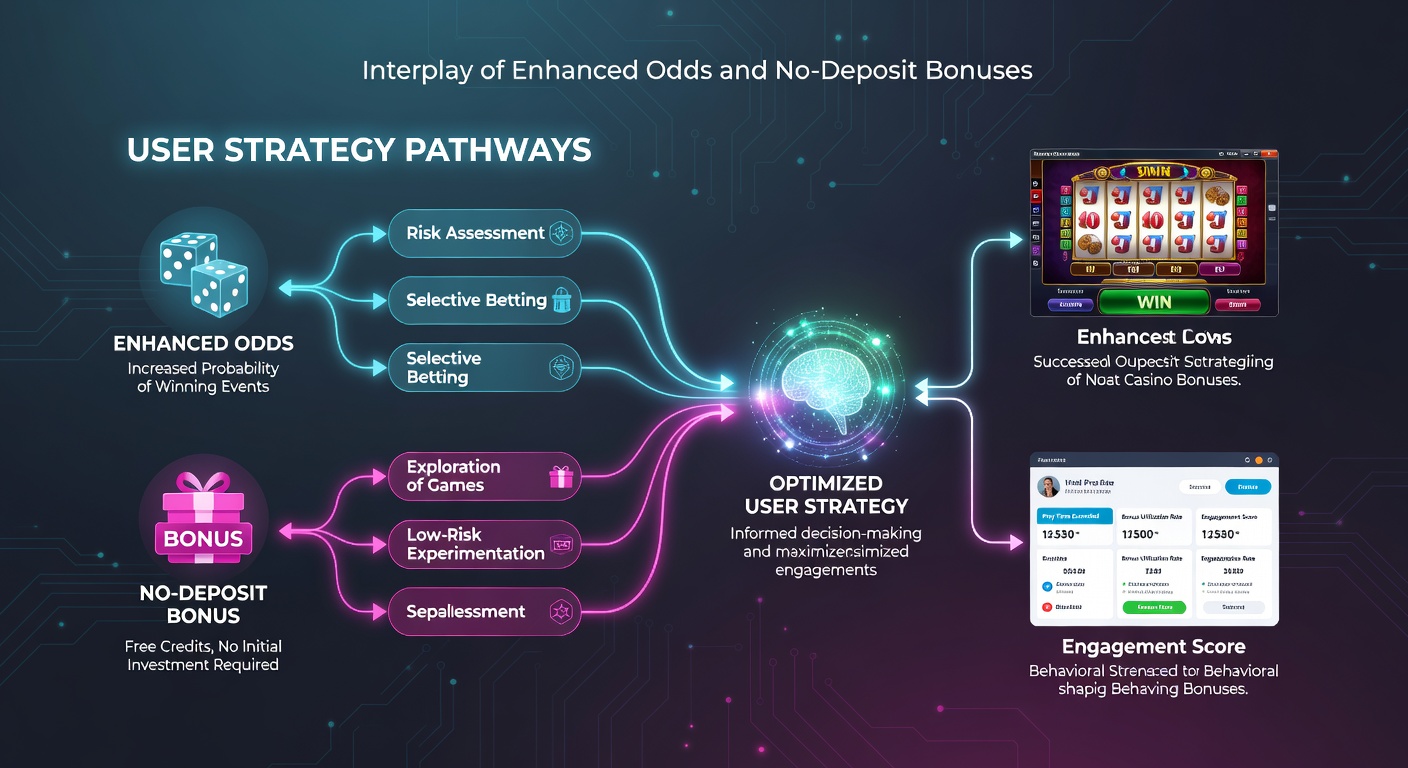
Another documented tactic sees participants divide their activity between bonus-funded rounds and separate cash-funded bets placed on the same virtual outcomes. This division allows them to compare performance metrics across the two funding sources while the enhanced odds window remains active. Research published through the University of Nevada Gaming Studies Department highlights that such comparative tracking contributes to refined decision frameworks over successive virtual event seasons.
Platform Features That Facilitate These Interactions
Modern interfaces incorporate notification systems that alert users when enhanced odds become available on ongoing virtual matches or when remaining bonus balances can be applied to boosted selections. These alerts integrate with session timers that display both the odds expiration and the bonus expiration in unified dashboards. Data from North American gaming operators shows increased click-through rates on these combined alerts compared with standalone promotions.
Some platforms further embed quick-stake calculators that factor in the no-deposit credit balance alongside the enhanced payout multiplier, reducing the manual arithmetic users perform before placement. The resulting workflow supports faster transitions between virtual event rounds without interrupting the promotional cycle.
Patterns Observed Across Different Regions
Participation data collected in various markets illustrates regional variations in how these tools shape engagement. In jurisdictions with established virtual event calendars, users demonstrate higher rates of bonus-to-odds conversion during evening slots aligned with major simulated fixtures. European studies compiled by the Danish Institute for Sports and Gambling Research note that similar patterns emerge when operators coordinate promotions around international virtual tournaments.
Meanwhile, operators in the Asia-Pacific region report elevated retention metrics when no-deposit offers include virtual-specific game categories that run parallel to boosted odds promotions. These coordinated releases appear to sustain activity levels through the full duration of multi-week virtual competitions.
Conclusion
The documented interplay between enhanced odds and no-deposit casino bonuses continues to influence how participants structure their involvement with virtual events. Platform metrics and academic analyses together indicate that users adapt their entry timing, stake allocation, and game selection in response to the overlapping availability of these promotional elements. As virtual event programming expands, the integration of these tools remains a measurable factor in observed user navigation patterns across digital platforms.